
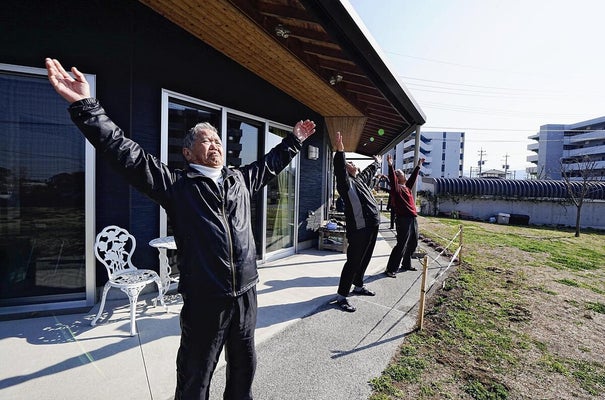
Concerns are mounting over increasing isolation among residents of reconstruction housing in the aftermath of the Kumamoto earthquakes. As the years pass since the disaster, efforts at rebuilding have progressed, but many inhabitants face a new, growing crisis of social estrangement. Factors include a spread-out population, insufficient community-building, and a lack of efforts targeting neighborly interaction and integration among residents.
In Japan, the collective response and recovery after natural disasters is a significant matter and is closely monitored nationwide. The Japanese people place a high value on community and societal harmony. Consequently, the risk of growing isolation among survivors in reusable housing is seen as a serious issue. There are calls for more comprehensive support in place, that not only considers physical rejuvenation but also social rehabilitation.
In the US or EU, similar issues of isolation in post-disaster recovery housing are often addressed through different means, including localized mental health services, community-based initiatives, and increased social services. The approach may be more individual-centered, with an emphasis on mental health support.