
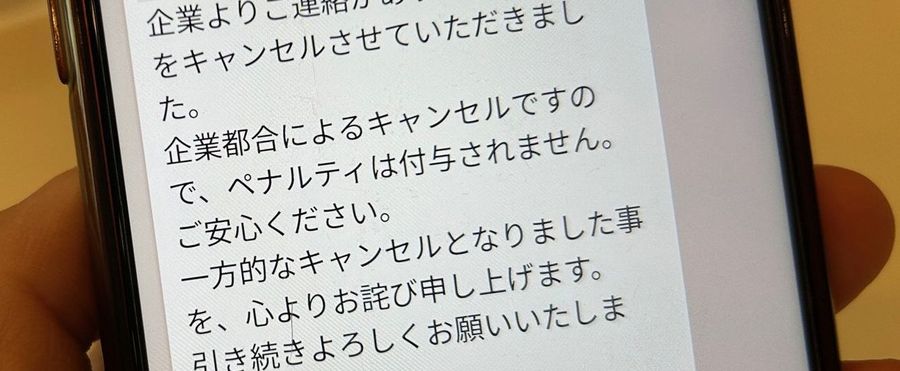
The phrase 'Sukima baito', or 'gap jobs', is sparking debate after a surge in problems related to these part-time positions. These jobs are often precarious positions taken by Japanese workers during transitional periods, which a recent study found to lead to numerous labor disputes. Issues range from contractual misinterpretations to unexpected terminations. The timing of this issue is significant as it coincides with Japan's ongoing struggles with labor shortages and broader economic issues. This coverage seeks to highlight the rising concern with 'gap jobs' in Japan and the socioeconomic implications they present.
In Japan, stable full-time jobs have traditionally been valued highly, and jumping between multiple part-time jobs is generally not encouraged. Consequently, 'gap jobs' are often taken by those in difficulty and are seen as an adverse issue. This highlights the strained conditions facing those who cannot secure full-time employment in Japan's rigid labor market. It also ties to broader conversations around labor rights and the overall health of Japan's job market.
In the US and the EU, part-time, gig economy or 'gap jobs' are more widely accepted. In these economies, such work may provide flexibility, but also often lack labor protections offered by full-time positions. The conversations and debates around such jobs are similar - focusing on ensuring workers' rights in non-traditional employment settings.