
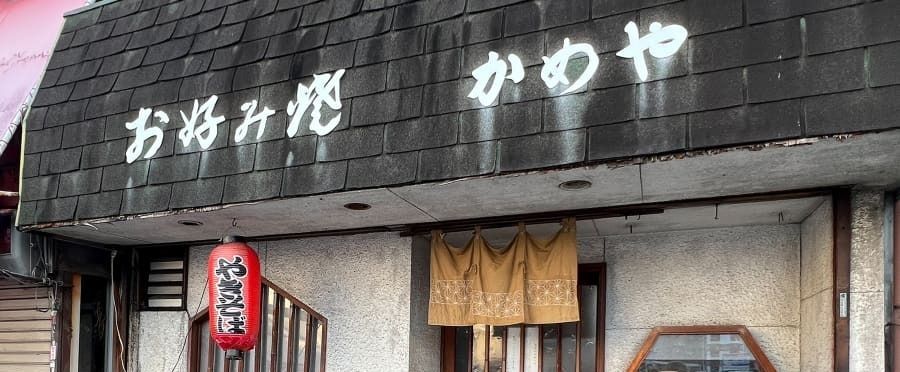
Osaka's traditional "flour-based food" eateries, known locally as 'Kona-Mon', are experiencing a significant decline and potentially facing an existential crisis. The primary reasons behind this downturn include economic pressures, changing dietary preferences, and the severe impact of the COVID-19 pandemic. Osaka, being the gastronomic capital of Japan, famous for its local cuisines, is now battling to preserve this culturally significant dining concept.
Kona-Mon (flour-based food) is an essential part of Osaka's food culture, with local delicacies like takoyaki and okonomiyaki being favorites. These food traditions hold a special place in the hearts of local residents and tourists alike. A decline in such establishments affects not just the food industry, but also Osaka's cultural identity. There is a growing concern among people and local authorities, leading to discussions on how to support these businesses economically and keep the food heritage alive.
The situation can be compared with the challenges faced by small, traditional eateries in US or EU, such as American diners or European bistros. These places often struggle due to economic downturns, changing food habits, and increased competition from fast food chains and multinational food corporations. However, the cultural value of these eateries inculcates a sense of community support in both scenarios.