
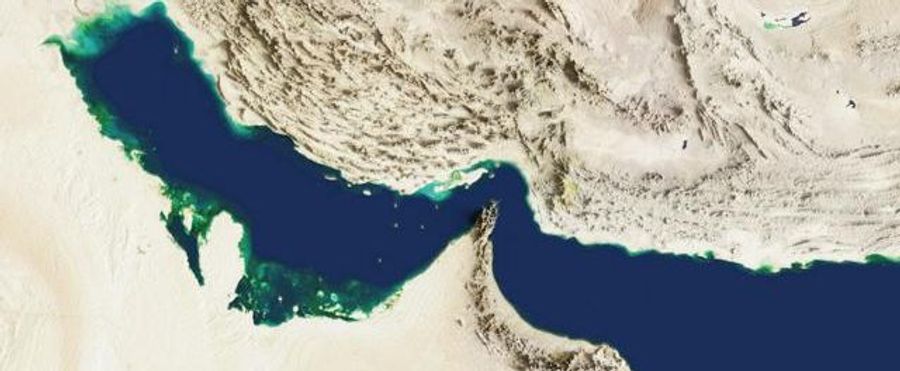
In a significant maritime event, a second Japanese-related ship has successfully navigated through the geopolitically sensitive strait of Hormuz. The ship's navigating capability in this complex region reaffirms Japan's maritime prowess in global waters. This achievement is seen against a background of international tension surrounding the strait, which is a crucial passage for world oil shipping.
The navigation is critical for Japan as the nation heavily relies on the Middle East for its oil imports, much of which passes through the Strait of Hormuz. Security in this region is of utmost importance to Japan as disruptions can significantly impact its energy supply. Japan also values the principle of freedom of navigation as a maritime nation, and this successful venture reinforces that principle.
In the U.S and EU, freedom of navigation is an essential diplomatic and economic principle, similar to Japan. However, both regions have a more diversified energy mix compared to Japan and are less reliant on the Middle East. Thus, tensions in global chokepoints like the Strait of Hormuz may have a slightly lesser direct impact on their energy security.