
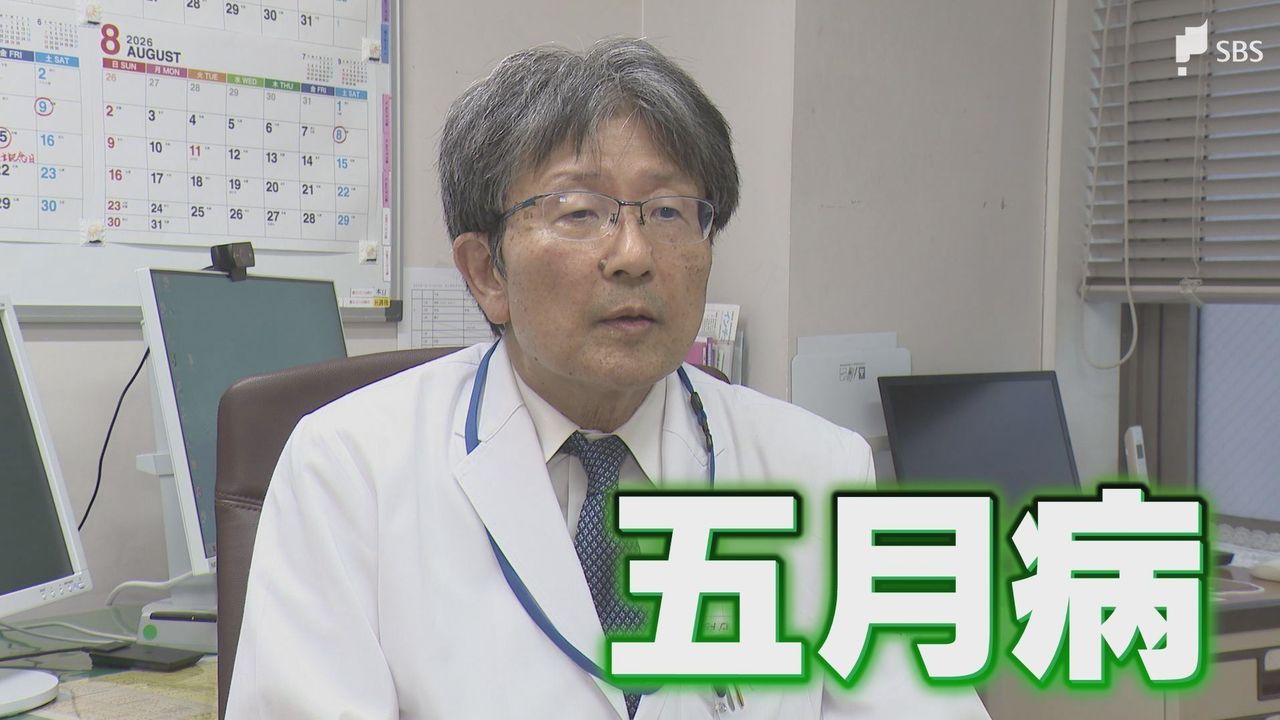
The shift into May in Japan often brings with it a wave of psychological disturbances, colloquially deemed "May Sickness." This is frequently observed amongst those who have recently begun new jobs or entered new schools, after the initial excitement and anxiety of their new life stages have subsided. Professionals have been providing advice on how to cope with these changes and preserve mental well-being during this period. Methods range from setting reasonable objectives and maintaining a healthy routine to seeking support from peers and healthcare professionals.
The Japanese term "Gogatsu-byo," or "May Sickness," refers to a largely social phenomenon, viewed as a form of adjustment disorder typically faced by newcomers to schools and workplaces in the wake of the flurry of life changes that occur every April – the start of Japan's school and financial year. The issue is taken seriously, reflecting Japan's increasing awareness of mental health issues.
While the U.S. and the EU do not have an equivalent cultural phenomenon, the stress of adjusting to new life stages is universally acknowledged. There are comparable situations such as the "freshman blues" experienced by university students in the U.S., or "autumn depression" in the EU during seasonal changes. In these regions, awareness and support for mental health are also growing.