
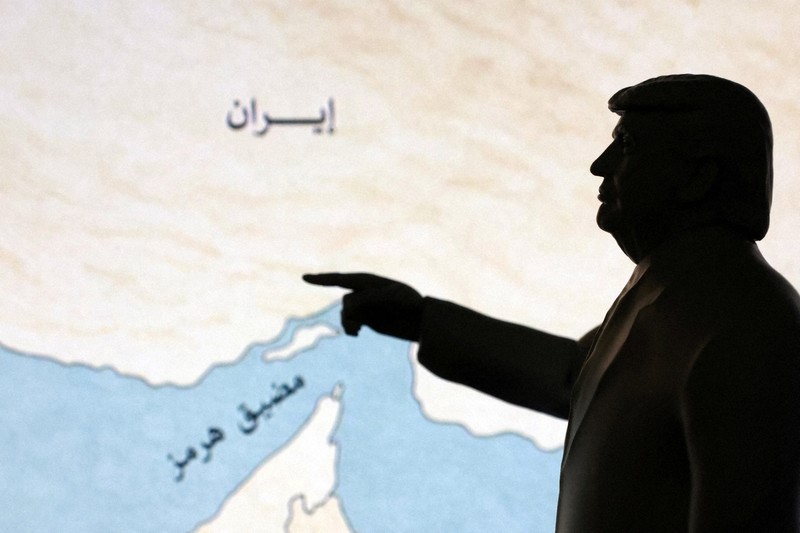
The news is about how transit fees in the Hormuz Strait, a significant global oil chokepoint, operate. This strategic waterway between Iran and Oman, where about a fifth of the world's oil supply passes, imposes charges for passage, which impacts economies globally. The article explores how these fees are calculated and their implication on Japan's economy, primarily since Japan heavily relies on Middle Eastern oil, much of which transits the Strait.
Japan, a resource-scarce country, largely relies on imported oil, primarily from the Middle East. With the Strait of Hormuz being a critical route for such imports, changes or disruptions in transit fees equate to significant national concern. This issue resonates especially with businesses and policymakers, tying in to national debates about energy security and economic stability.
In the US and EU, similar issues are generally handled through diplomatic channels and political negotiation. Their oil supply chains are more diversified and less reliant on the Middle East, thus making them less vulnerable to changes in transit fees in the Hormuz Strait. However, this issue is nevertheless significant due to its potential impact on global oil prices.