
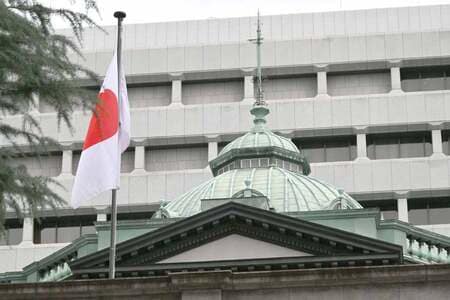
The International Monetary Fund (IMF) has recommended that the Bank of Japan continues its policy of raising interest rates, as detailed in a new report. This advice comes amidst ongoing discussions around the nation's economic situation, which has seen some volatility in recent years. While the Bank has yet to respond formally, the suggestion highlights the IMF's confidence in Japan's economic resilience.
Interest rates directly affect Japan's domestic economy, influencing factors like consumer spending, borrowing costs, inflation and overall economic stability. Many in Japan closely follow such news as it impacts their everyday life - from the interest they earn on savings to the rate they pay on loans. The Bank of Japan's decisions also reflect on national policies and the government's strategy for economic progress.
Similar to the Federal Reserve in the US or the European Central Bank in the EU, the Bank of Japan is closely watched by international markets. In the US and EU, central banks' decisions on interest rates are also a critical measure of economic health and direction. However, the wider context, such as inflationary pressures or growth prospects, may differ between regions.