
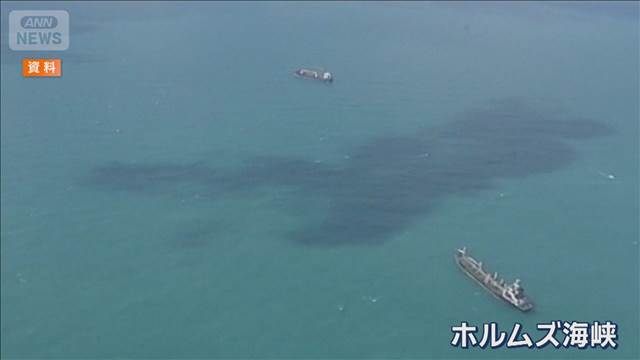
Mitsui's LNG commercial ship has successfully traversed the Strait of Hormuz, a key passage for global energy transportation. This significant milestone comes amidst geopolitical tensions in the region that has heightened risks for maritime trade. The successful journey underscores the company's ability to ensure safe transport of energy despite such challenges.
In Japan, the focus is primarily on the implications of this news on energy security and maritime trade. With Japan relying heavily on imported LNG, the safe navigation through the Strait of Hormuz, a chokepoint in global energy transportation routes, is seen as a reassuring sign towards the security of energy supplies. There's also an appreciation of the measures taken by companies like Mitsui to minimize risk and foster smooth operations amidst geopolitical tensions.
Similar issues in the U.S. or the European Union are handled with a fair amount of scrutiny, given both regions' dependence on energy imports. Safe and undisrupted shipping routes are critical for their economies as well. However, there's a larger emphasis on diversifying energy sources and suppliers, and increased usage of renewable energy to reduce the reliance on such critical chokepoints.