
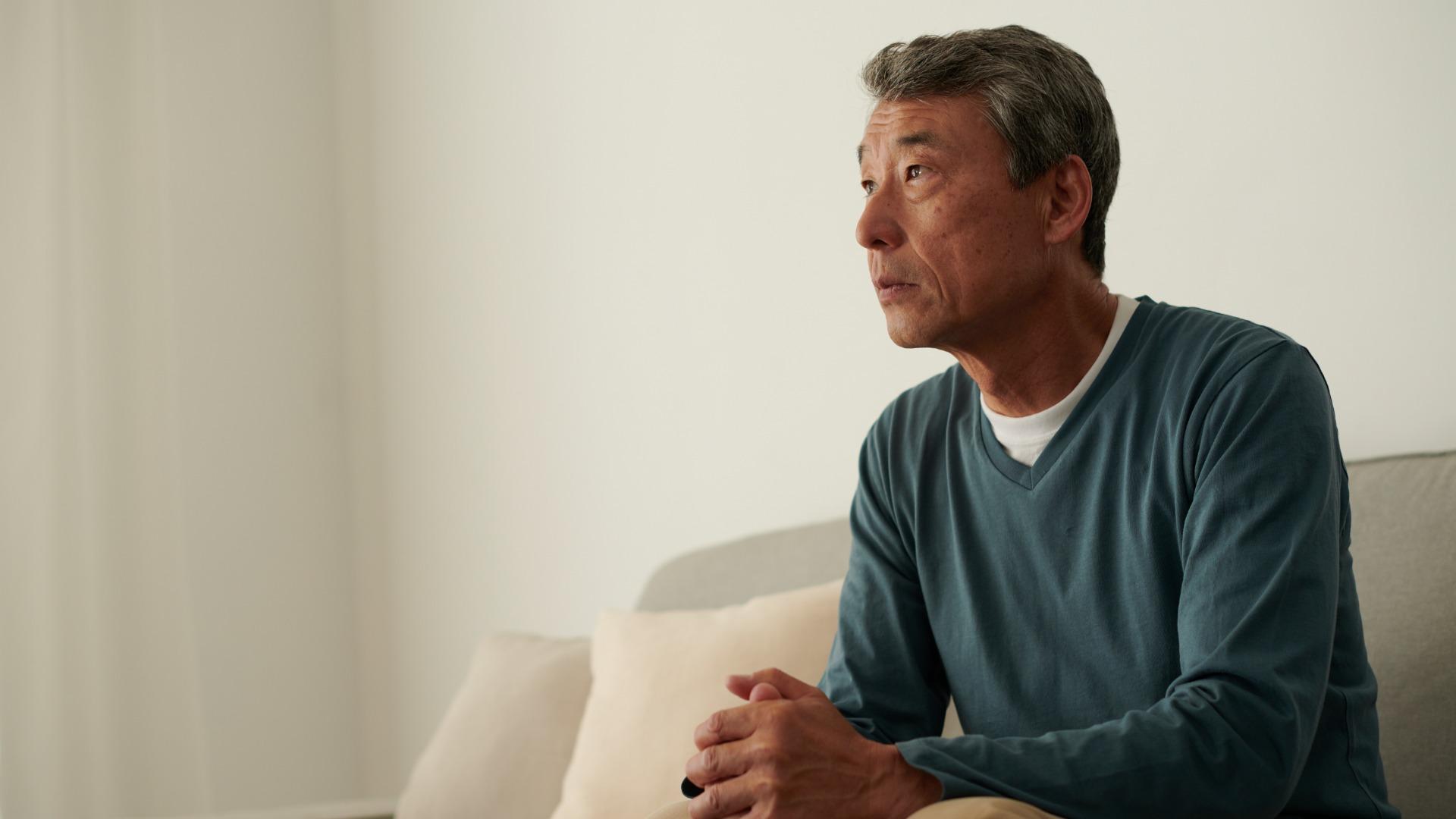
The article discusses a growing concern in Japan about the increasing number of lonely middle-aged and elderly individuals. The growing phenomenon has led to calls for practical solutions to combat isolation and maintain the mental health of this demographic. The piece discusses policy measures, health initiatives and community-driven efforts aimed at increasing social interactions and support for these individuals.
In Japan, the issue of loneliness, particularly among seniors, is a pressing societal concern. Japan's rapidly aging population and single-households have fueled isolation and loneliness. Consequently, society values and the government emphasizes initiatives that promote social cohesion and psychological wellness, and there's a heightened awareness and sensitivity about the mental health issues stemming from isolation.
While loneliness among seniors and middle-aged individuals is a universal issue, Japan's demographic scenario makes it particularly critical. In contrast, in the US or EU, although these concerns do exist, the demographic make-up and familial structures can vary vastly region by region, depending on culture and other socio-economic factors. Strategies to address these issues also tend to be more decentralized, focused on social services, and driven by both private and public initiatives.