
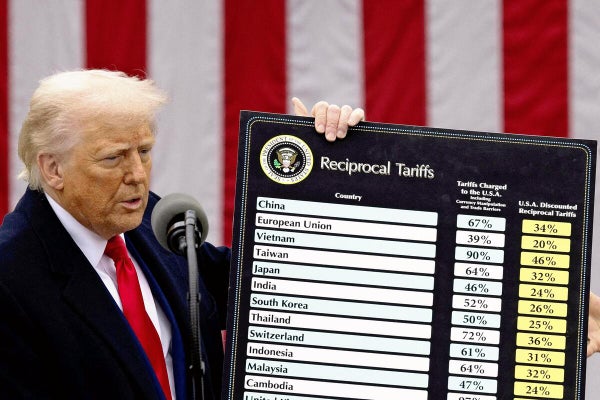
Over the past year, US-Japan tariff tensions have resulted in unexpected outcomes. Japan, a significant trading partner of the US, has been grappling with mutual tariffs that have posed challenges for its economy. These tariffs, implemented as part of wider consentious global trade policies, have triggered extensive debates within Japanese industries and the government about the future of international economic relations.
This issue resonates deeply within Japan due to its heavy reliance on exports. The Japanese public views these tariffs as an unexpected setback and a matter of concern, given their potential impact on businesses, jobs and the wider economy. Furthermore, these tariff impositions have compelled Japan to engage more deeply in discussions pertaining to market access, digitization and data management which were not as prominent earlier.
Similar issues in the US are typically met with polarized views, with supporters seeing tariffs as a way to protect domestic industries, while critics argue that they ultimately harm consumers and spark retaliatory measures. Much like in Japan, these trade tensions in the US or EU have stirred broader debates on globalization, the role of international institutions, and the future of multilateral trade agreements.