
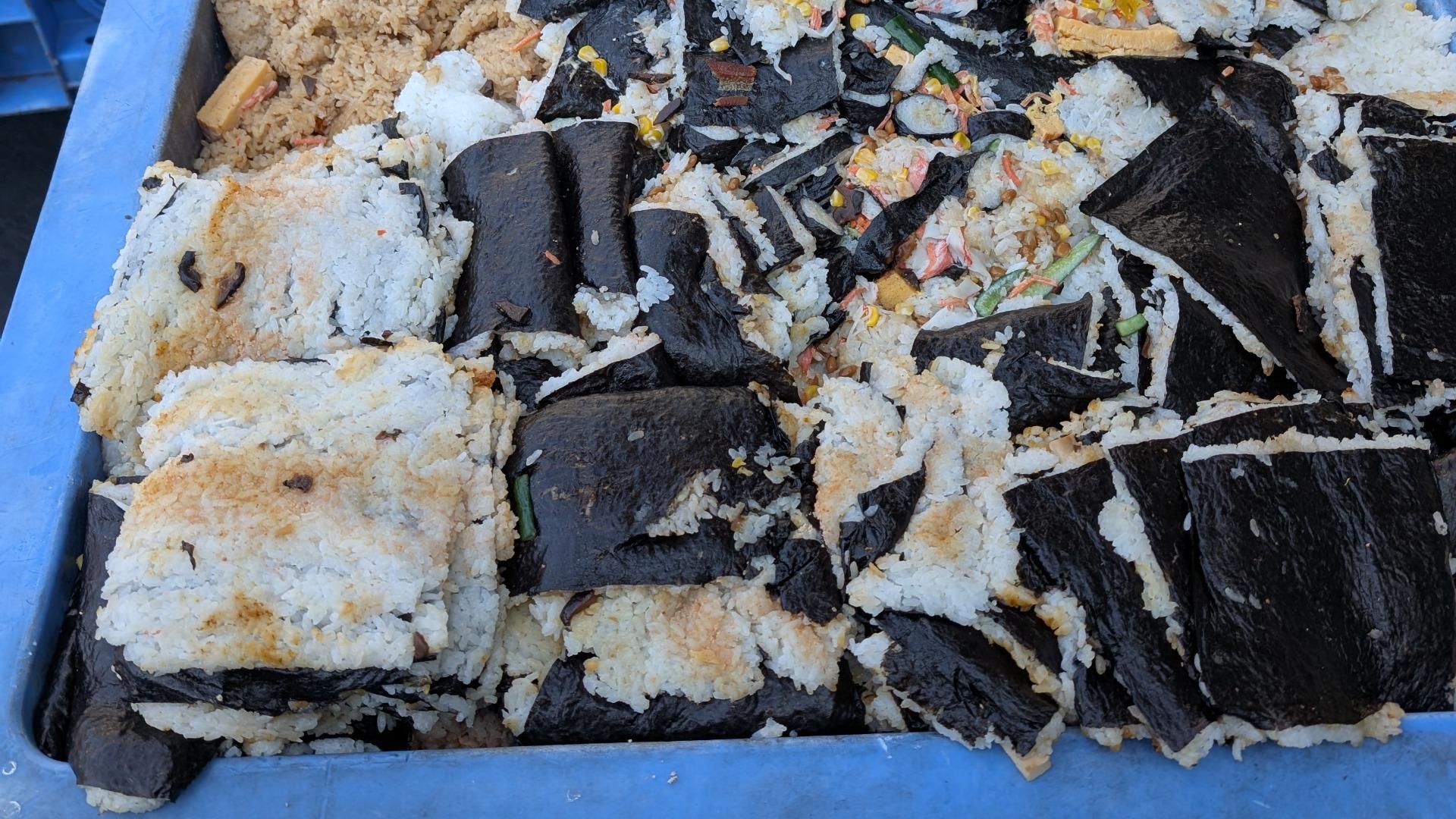
Japan's government is facing the colossal task of allocating 2.4489 trillion yen to waste management, with tax levies being potentially utilized for the initiative. The issue presents a multifaceted and daunting challenge both economically and socially, as public and private sectors grapple with the implementation of policies to ensure the efficient disposal and recycling of waste. The timing and exact execution of this fiscal commitment remain in question.
Given Japan's densely populated urban areas and its meticulous regard for cleanliness, the issue of waste management is of prime importance. Many Japanese citizens show concern regarding where their tax money is spent, especially with such significant figures involved. Additionally, Japan has strict environmental laws and regulations, making waste management a key point of evaluation for government effectiveness.
In the United States or European Union, waste management costs are generally distributed among different levels of government, private entities, and service fees. Direct taxpayer contributions to such matters are often less apparent than the proposed method in Japan. The transparency surrounding Japan's handling of waste management might spark a broader dialog about public financing of environmental services in these regions.