
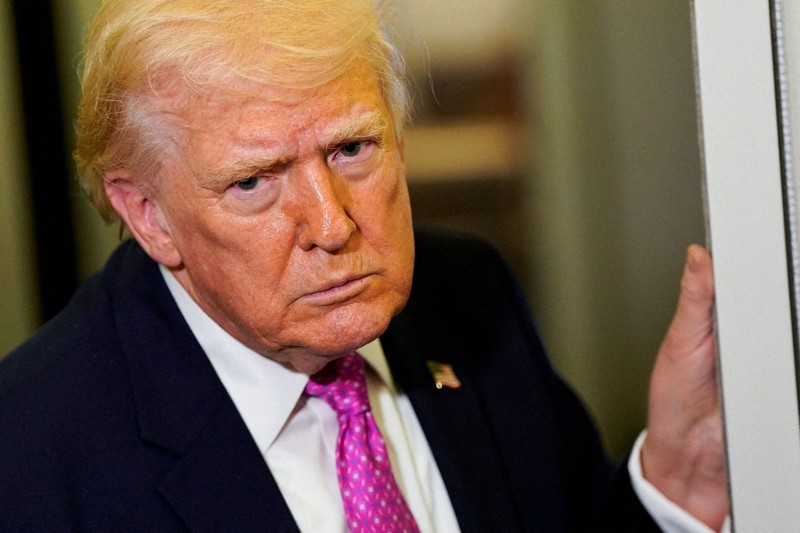
In the wake of a significant global oil shortage, the US President has taken a stance of separation from the crisis. This marks a divergence from traditionally providing aid or strategizing solutions collaboratively with affected nations. The situation has already begun to have ramifications for the world's energy market, and it's as yet undetermined how this isolationist approach will ultimately impact international relations and economies.
In Japan, the news is being met with a mix of worry and resigned acceptance. Japan is heavily dependent on foreign oil, including from the US, so the decision could potentially cause economic turbulence. Energy issues are of major concern in Japan, a country mindful of its limited natural resources and the need for energy security since the Fukushima disaster in 2011.
In contrast, US and European countries often have a more interventionist approach to international crises. EU member states typically work collaboratively to address energy shortages and other crucial issues that affect multiple nations. The US has historically been a global leader in the energy sector, aiding in global crises, making this decision an unexpected shift.