
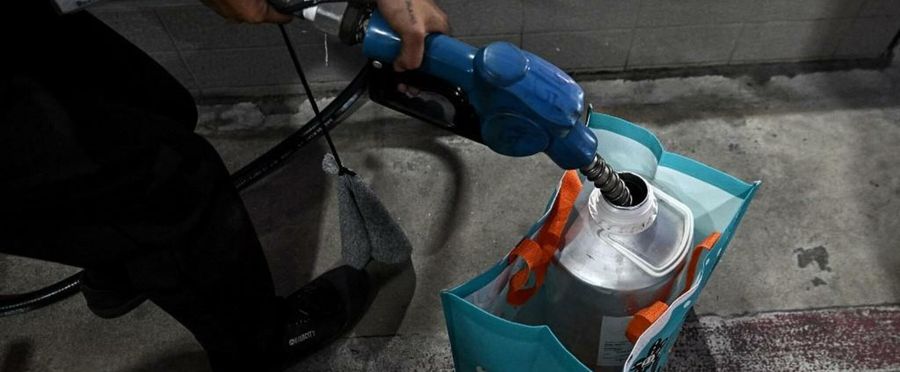
A Thai national temporarily residing in Japan made headlines after he was refused fuel for his vehicle at a local station. In a shocking twist, the man revealed a body hidden in his vehicle. Authorities were called immediately and an investigation is currently underway. The incident took place recently, in a small town just outside of Tokyo. The refusal to sell fuel due to the individual's foreign status, and the resultant exposure of a crime has saturated Japanese media and sparked discussions on discrimination and migrant labor rights.
Japan has been known for its stringent immigration laws and high degrees of homogeneity. Such news often incites a debate on discrimination and migrant worker rights in the workforce within Japan, which remains a contentious issue. Many Japanese citizens feel that migrant workers should be treated with the same rights and respect as locals, while others bring up concerns about cultural differences and language barriers.
In contrast, the US and the EU have varied practices based on the local state and country regulations, laws and norms. Discrimination based on nationality or ethnicity is typically frowned upon in most circumstances, and such an incident would likely lead to local outrage, especially in more diverse regions. However, socio-political climates widely differ, and migrant worker rights issues persist as a global challenge.