
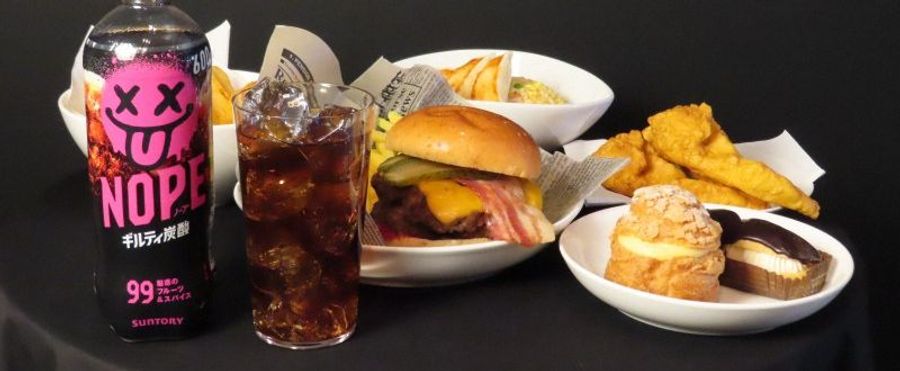
With the increase in work-induced stress levels among Japanese employees, a rising trend is observed where individuals turn to indulgent "guilty" consumption to find relief, raising questions on its effectiveness and sustainability as a self-care method. While it offers temporary distraction, the long-term impact on their mental health and financial stability remains unclear. Experts urge the exploration of healthier coping mechanisms, emphasizing the need for a balanced lifestyle.
Japan’s work culture is notorious for extended working hours leading to elevated stress levels. The recent trend, dubbed "guilty consumption", sees people seeking solace in temporary pleasures such as luxury products or over-indulgence in food and drink. This trend highlights an urgent need for effective stress management strategies and sparks discussions on work-life balance and mental health among the public.
Unlike in Japan, where dealing with stress often involves personal and solitary measures, Western societies like the US and EU typically have a more collective approach to stress management such as therapy, counseling, and a wider acceptance of mental health days. Moreover, there's a trend towards promoting flexible work schedules and encouraging a healthy work-life balance.