
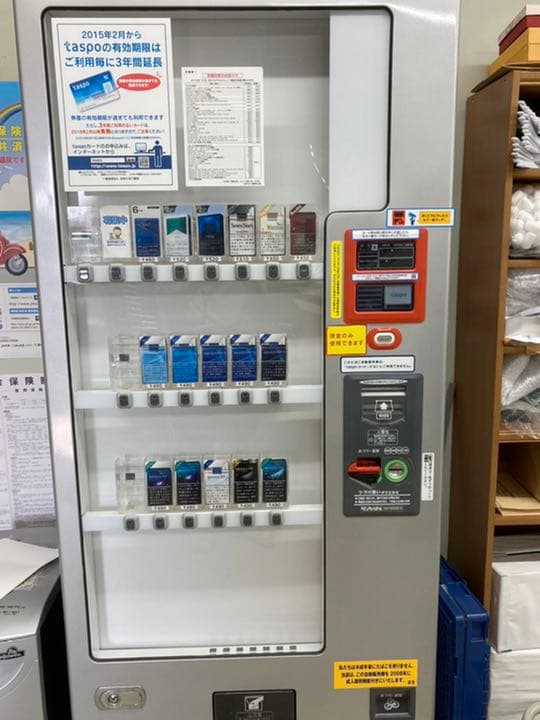
Japan's integral ID card system for cigarette vending machines, TASPO, is set to cease operation by the end of March. The card, which verifies the age of the buyer to prevent underage smoking, has been in use since 2008. The decision to terminate the service follows the declining trend of tobacco use and an increase in the prevalence of smoke-free policies in Japan.
The issue of smoking is, as elsewhere, a public health concern in Japan. The government has been keen on discouraging smoking and preventing underage individuals from having easy access to tobacco. The TASPO system was implemented as a necessary measure to tackle these issues. Its termination is seen as a positive step towards a healthier society and signifies the declining popularity of smoking.
In the US or EU, regulations regarding tobacco sales vary. In many areas, automatic vending machines for cigarettes are either heavily regulated or outright banned. The termination of the TASPO system in Japan could be compared to such actions. However, Japan's unique approach with a dedicated identification card system is largely unparalleled.