
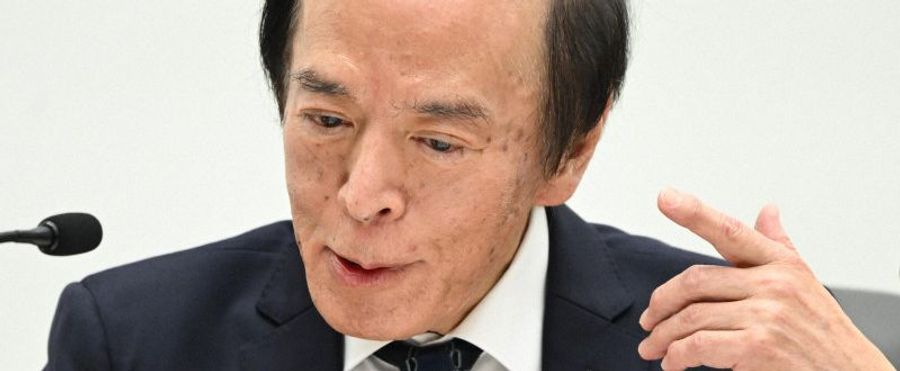
The Bank of Japan, indicating a potential shift in monetary policy, is preparing the environment for additional interest rate increases. This move is interpreted as the central bank's strategy to counter the adverse effects of prolonged low-interest-rate policy on the nation's financial sector. The exact timeline or the magnitude of the rate hikes have not been laid out yet, but market observers expect further details to emerge in the upcoming policy meetings.
Japan's economy has been in a state of stagnation for several decades, with slow growth and low or even negative interest rates. This move by the Bank of Japan is important as it could signal a shift in monetary policy aimed at stimulating economic growth. Japanese citizens, particularly those relying on interest income, will likely view this positively, while borrowers may face increased costs.
In contrast, the U.S. and EU have historically been more flexible with interest rate management, regularly adjusting rates both up and down in response to economic indicators. Both the Federal Reserve and ECB have started their rate tightening cycles, so BoJ's move aligns Japan's monetary policy more closely with its western counterparts.