
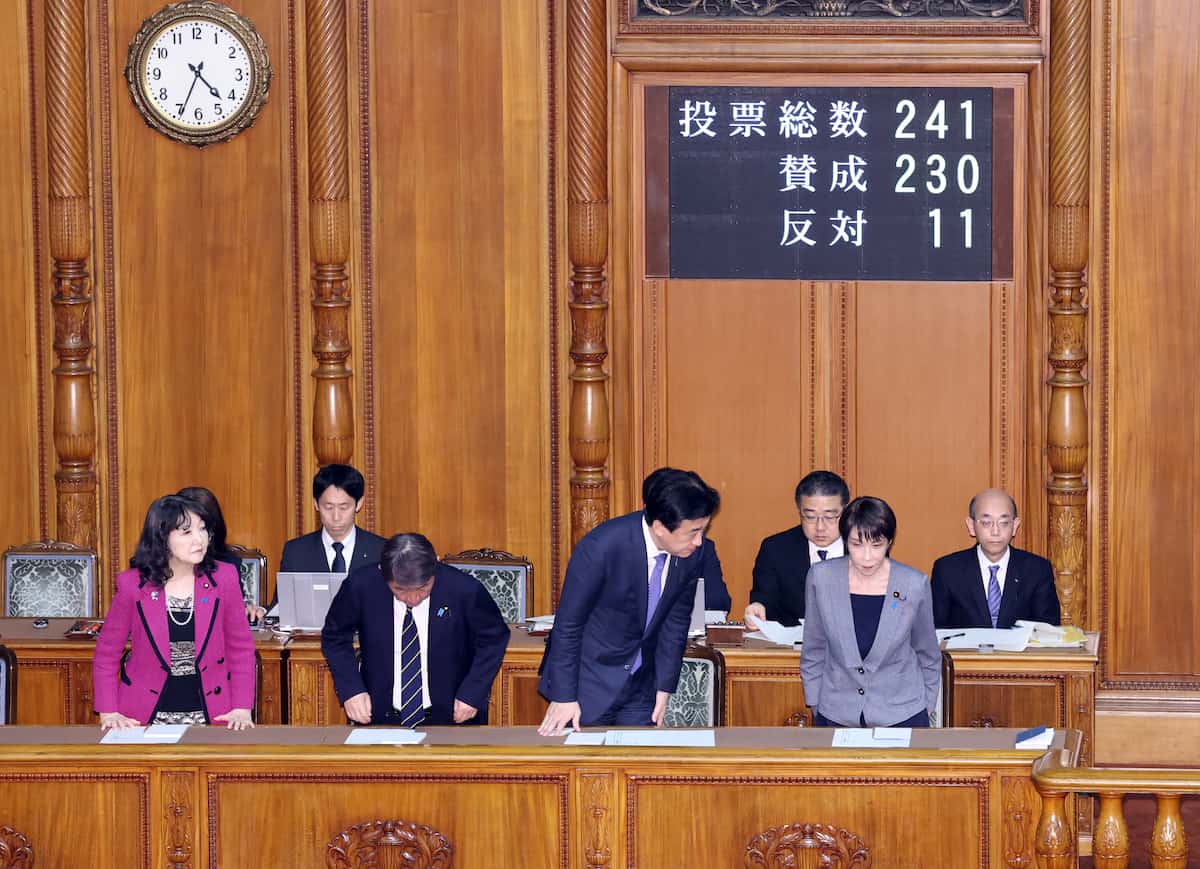
After a gap of 11 years, the Japanese government has approved a provisional budget. This emergency measure comes due to a failure to pass a full budget by the fiscal year's start date. The details of the budget allocation are yet to be revealed. This unusual incident has sparked conversations nationwide, with citizens and economic analysts speculating the possible effects on the country's economy.
In Japan, the approval of a provisional budget is a rare occurrence and generally occurs when political strife or other issues prevent the approval of a complete budget. This issue is significant to the public as it directly affects government financing and potentially public services. It might lead to drastic changes in financial planning, as many agencies might need to operate under less-than-expected resources.
Unlike in Japan, in the US, a government shutdown can occur if the Congress fails to pass and the President fails to sign legislation funding the government agencies. Similarly, in the EU, if the budget isn't approved, there are provisions in place for temporary budgeting to ensure continuity in government functions, somewhat similar to Japan's provisional budget.