
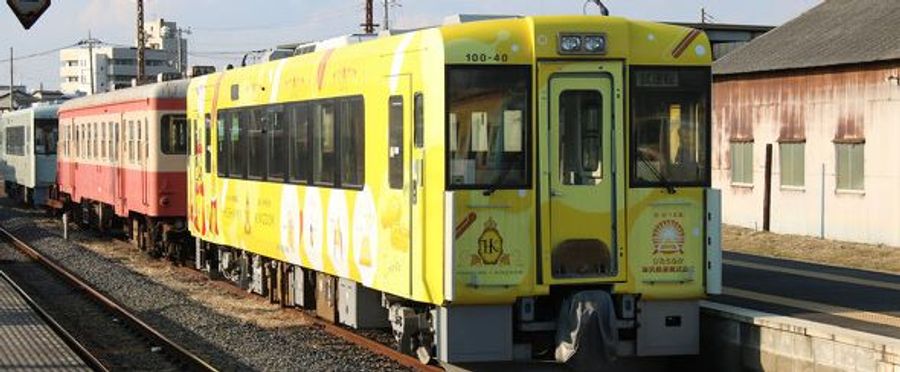
The headline revolves around a question persistently being asked in Ibaraki, a prefecture in Japan: why is the local train line being expanded? Recently, local authorities announced an extension of a lesser popular regional line. This move has triggered debates, with some seeing it as a valuable investment into the infrastructure connecting remote areas, and others questioning the economic sense due to apparent low ridership.
Train services and public transportation are a key aspect of Japanese society, particularly in densely populated urban areas like Tokyo. However, in more rural prefectures like Ibaraki, the balance between cost-efficiency and connectivity becomes crucial. As public spending becomes more scrutinized, such issues receive considerable attention and spark debates on the neglect or investment in rural areas.
Similar issues are faced across the United States and Europe where public transportation infrastructure in rural or remote locations is often debated. Balancing the needs of local communities with concerns about economic efficiency is a challenge ubiquitous in many developed nations.