
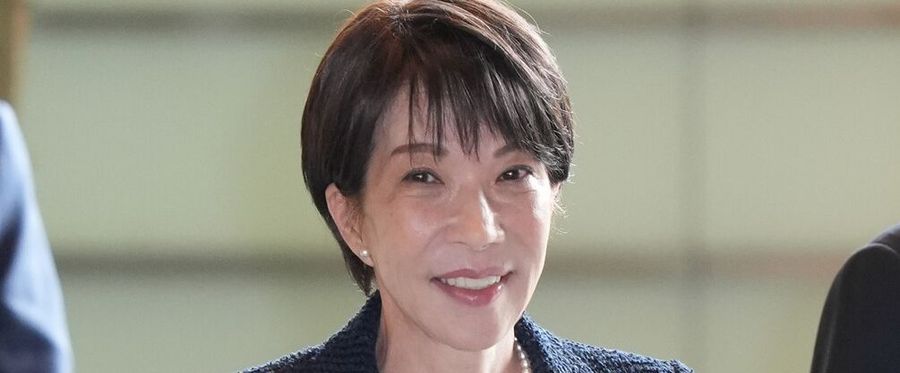
Recent reports reveal discord between the Japanese Prime Minister and members of the Upper House from the Liberal Democratic Party (LDP). The divergence pertains to the policy view and progressive changes in the party. As discourse surfaces, it poses questions on the solidarity of the LDP, resulting in heightened political scrutiny. Public sentiment and party unity are being tested, preparing for a potential shake-up in the political scene.
In Japan, consensus is a significant aspect of political and social life. A political party like the LDP displaying discrepancy in views is something of note. It can hint at internal strife or differing perspectives on policy matters, which could have long-reach implications on the party's unity and decision-making. The public also tends to view such disagreements as a lack of political stability, affecting their trust in the government.
In other countries like the US, policy disagreements within a political party are a common occurrence and are often seen as healthy democratic practices instead of a threat to party unity. This provides a clear contrast to the Japanese perception, demonstrating cultural and societal differences in politics.