
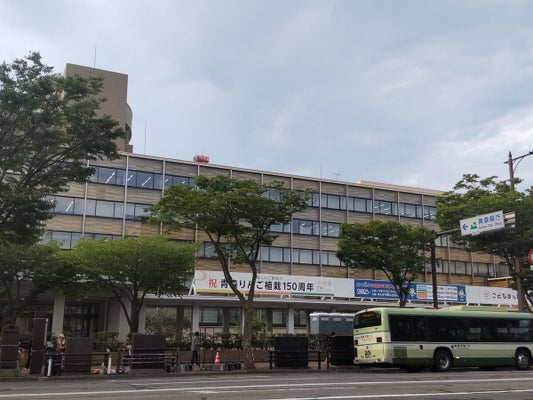
Aomori Prefecture, known as the hub of Japan's nuclear waste, is refusing future shipments of spent nuclear fuel. The local administration, responding to increasing environmental and safety concerns, reaffirms its long-standing policy against accepting additional nuclear waste. While the timeline for policy enforcement has not been made public, this bold move is expected to impact the nation's approach to nuclear energy disposal.
Japan, especially since the 2011 Tohoku earthquake and Fukushima nuclear disaster, has been grappling with complex nuclear energy issues. Aomori Prefecture's stance ignites debate on environmental conservation, public safety, and nuclear policies. For many Japanese citizens, this is less about politics, and more about their homelands, livelihoods, and opinions towards the use of nuclear power.
This can be contrasted with the US that largely stores nuclear waste on-site at the reactor. Europe, on the other hand, has a more centralized approach with countries like France and Sweden having centralised deep geological repositories for disposal. Both the European Union and the United States face ongoing controversies and challenges linked to nuclear waste disposal.