
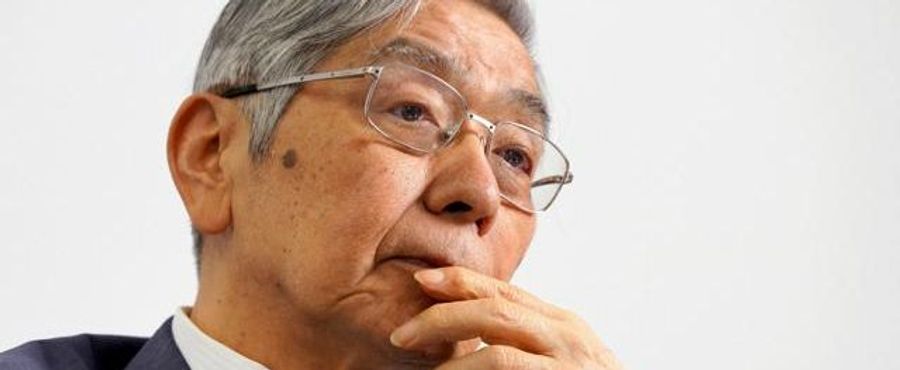
Bank of Japan governor Mr. Kuroda has signaled that he sees no problem with increasing interest rates to 1.5%. This is a significant shift, considering the prolonged period of low interest rates in Japan. If implemented, this change could have far-reaching implications for the Japanese economy.
Interest rate policy in Japan is a critical issue, as the nation has been dealing with deflation and stagnation for many years. The possibility of rate hikes reflects optimism about economic recovery and the opportunity to reduce policy dependency on unconventional monetary easing. However, possible drawbacks, including higher borrowing costs, might worry some sectors.
In comparison to the US or EU, Japan's approach to monetary policy differs significantly. With a history of low interest rates to stimulate the economy and fight deflation, a rate hike to 1.5% is significant. In contrast, the Federal Reserve in the US and the European Central Bank have started tightening monetary policies, with interest rates generally higher than in Japan.