
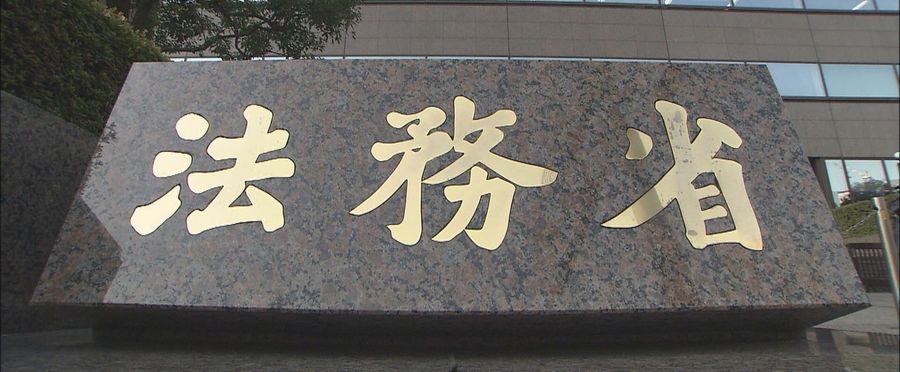
Japan has tightened its citizenship requirements, making it more rigid for immigrants to gain Japanese citizenship. Changes include a minimum of a decade of residence for eligibility. The move comes amid growing discussions in government circles about the pressure of sustaining Japan's aging society against a backdrop of low birth rates. Critics, however, see this as a restrictive move that could limit foreign workforce participation and contribute to societal homogeneity.
In Japan, national identity and immigration are inexorably intertwined issues. The extended residency requirement for citizenship reflects a cautious approach towards immigration, despite a prevailing need for a more diverse workforce to support Japan's aging society. The debate around these changes reveals divisions between nationalist tendencies and more inclusive strategies to solve societal issues.
This contrasts with the policies in the US or European countries, where the period of naturalization varies but can be as short as five years. Also, unlike Japan, these regions tend to implement additional pathways to citizenship, such as through marriage, investment, or refuge.