
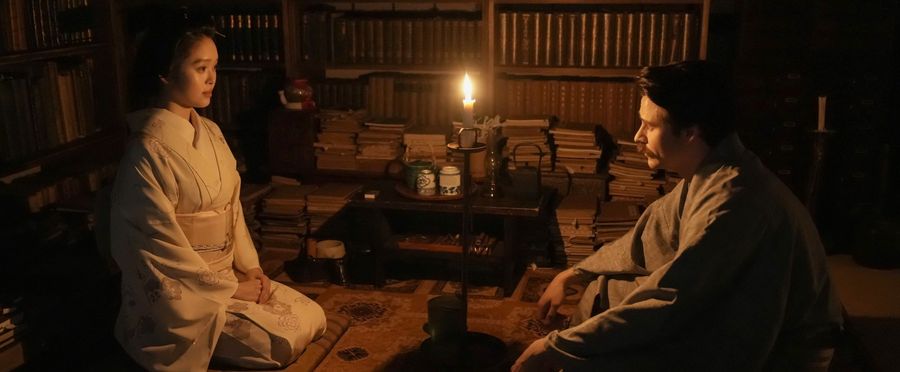
The highly popular Japanese television series "BakeBake" aired its final episode recently. The series finale was met with a mixed reaction from the audience, making them curious about the plot choices made by the production team. This article examines the showrunners' intentions behind the ending of the story, providing them an opportunity to elaborate their thought process and creative decisions for the series.
Japanese television audiences deeply invest in narrative series like "BakeBake," and finales often spark vigorous debates and discussions. Also, in Japan, respect for creative choices is highly cherished. As such, fan's curiosity for the creators' decision in concluding a series is viewed as a way to understand their artistic standpoint rather than a challenge or critique to their decision.
In comparison, audiences in the US or EU are relatively vocal about their discontentment and use social platforms to display disapproval towards series endings that they don't align with. While the dialogue between creators and audience is open, it's often marked by criticisms, fan theories, and demands for alternative endings rather than a simple interest in understanding the creator's original intent.