
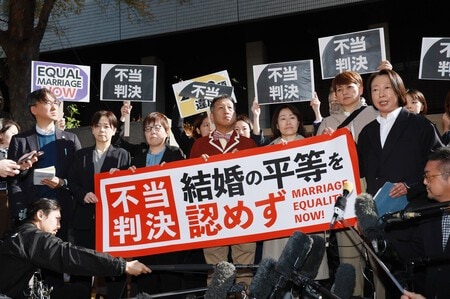
Japan's Supreme Court is set to make a unified verdict on same-sex marriage, a topic of ongoing contention in the country. This landmark lawsuit signifies not only a critical advance in the nation's gay rights movement but also a potential turning point in Japanese civil law. The decision, which arises from a series of suits filed by same-sex couples seeking marriage equality, is keenly awaited by supporters and opponents alike.
Historically, Japan has a complex relationship with gay rights. While the nation is progressive in some respects, societal attitudes towards issues like same-sex marriage often tend towards conservatism. A ruling in favor of marriage equality could be a significant step forward for civil rights in Japan, reflecting changing social norms and potentially influencing broader regional trends.
In contrast, the United States and many European Union countries have already legalized same-sex marriage. A Japanese Supreme Court ruling upholding marriage equality would bring the East Asian nation more in line with Western liberal democracies. However, despite legal recognition, these societies continue to grapple with issues related to acceptance and discrimination.