
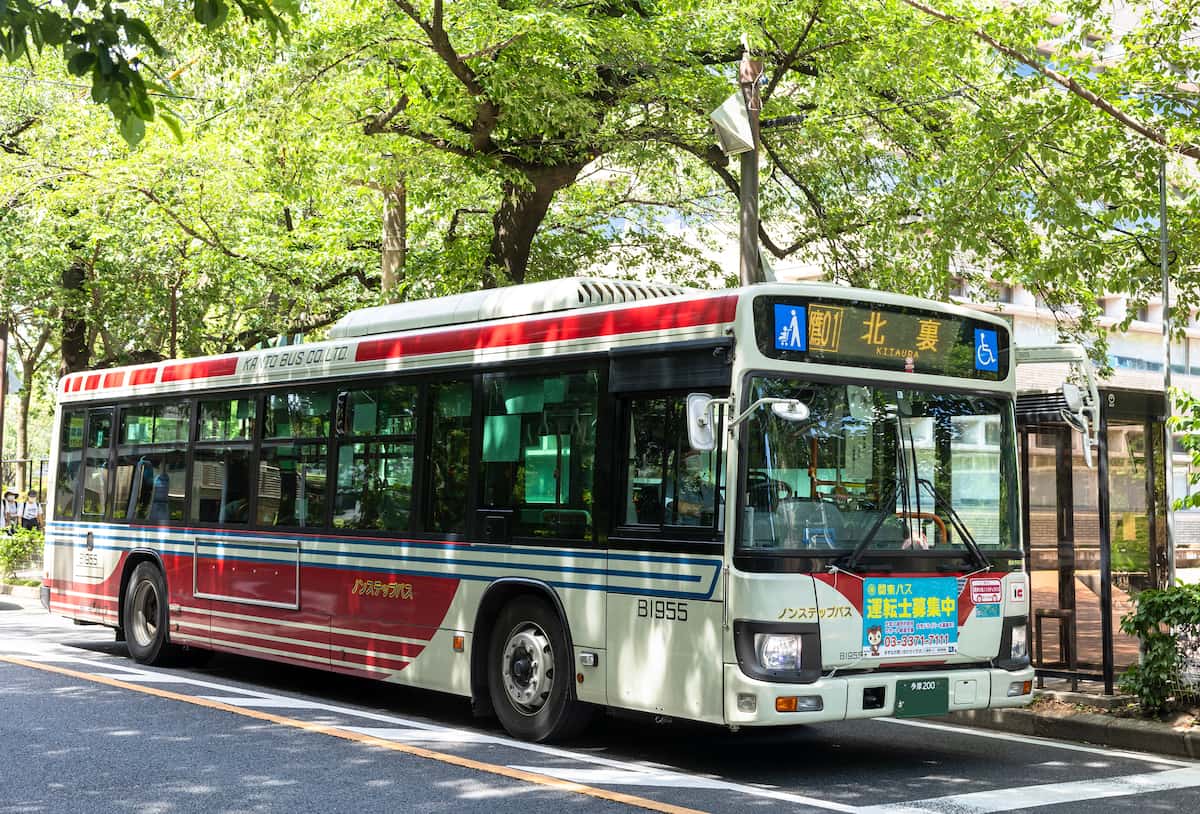
Come October 27th, the employees of Kanto Bus, one of Japan's major transportation services, plan to hold a strike. The workers' grievances are yet to be detailed in the public sphere but the move is expected to disrupt public transportation services across the Tokyo Metropolis and adjacent areas. Commuters and travelers are advised to look for alternative means of transport.
In Japan, public transportation is an integral part of daily life and is considered highly reliable. The strike from an industry heavyweight like Kanto Bus is bound to generate significant public attention. Labor strikes symbolize serious discontent in employment conditions, and typically prompt a renewal of societal discussions about workers' rights, business ethics, and public welfare.
Employee strikes, much like in the U.S or EU, are a recognized form of protests in Japan. However, due to cultural norms promoting harmony, they are less frequent in Japan than in the Western world. Unlike the West, the general public in Japan may view strikes with more unease due to the significant disruptions they can cause in the highly reliable public transport system.