
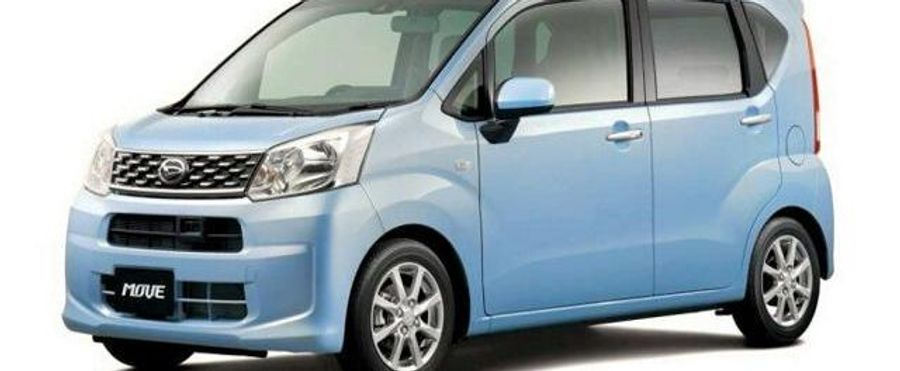
Daihatsu, the Japanese automaker, has announced a large-scale recall initiative affecting about 400,000 vehicles across five different models. This move was initiated after the company discovered manufacturing defects that could potentially undermine vehicle safety. The details of the defects have not been released yet. The date from when the recall is set to start, and the specific models involved, are also not disclosed so far.
Vehicle recalls are not uncommon in Japan, particularly when potential safety issues are identified. Japanese consumers value the safety and reliability of products high, and the culture of responsibility by manufacturers is well-regarded. Thus, such proactive initiatives from companies like Daihatsu tend to be received positively, as they demonstrate the firms' commitment to consumer safety and product quality.
Similar to Japan, the US and European Union also have stringent guidelines and laws covering vehicle recalls in the event of safety or quality concerns. Automakers are obliged to initiate recalls when defects are detected, informing their customers directly or through the relevant authorities. Public reactions to such incidents can vary, from appreciation for the manufacturer's responsibility to concern over the potential risks involved.