
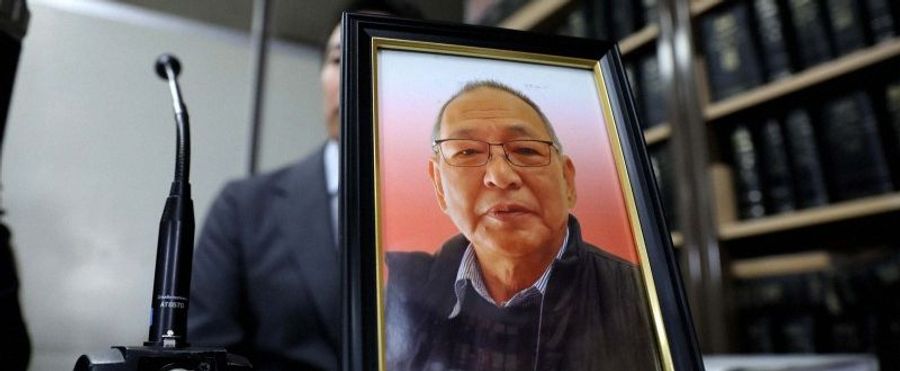
A family in Japan is preparing to sue over the alleged wrongful arrest and detainment of a deceased relative, Ōkawara. This controversial case has ignited public opinion and renewed discussions on Japan's judicial system. The lawsuit, believed to be imminent though not yet officially confirmed, seeks to address a perceived miscarriage of justice and secure compensation on behalf of their wronged family member.
In Japan, where the conviction rate is extraordinarily high, wrongful convictions have been gathering public scrutiny for years; and the Ōkawara case has come to symbolize these concerns. The Japanese legal system places significant emphasis on confessions, often obtained during extended pre-trial detentions. The looming lawsuit by the Ōkawara family not only seeks justice but also a change in these systemic issues.
In comparison, legal systems in the US and EU also grapple with false convictions, but they often employ different methods, like DNA testing and innocence projects, to rectify these situations. Additionally, the interrogation process differs significantly, with a heavier reliance on legal representation during questioning and a limit placed on the length of detention without trial.