
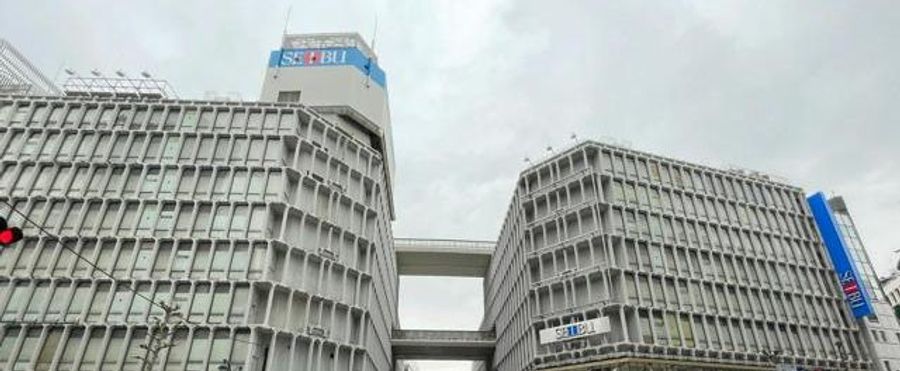
The prominent Seibu Shibuya store in Tokyo, Japan, is set to close its doors for the final time on September 30th. Famous for its considerable role in the Shibuya shopping district's popularity, the store's impending closure signifies the end of an era. The ramifications are expected to be extensive, directly impacting local commerce, customers, and employees. The reasons behind the decision to close, the plans for the space, and potential economic outcomes are yet to be disclosed.
Venerated department stores like Seibu Shibuya hold considerable historic and social value in Japan. Their closures can represent significant cultural shifts, indicating changes in shopping habits, consumer behavior, and economic conditions. Urban development and regeneration are also vital considerations; what replaces these establishments can significantly affect neighborhoods and the local economy.
In the United States or the European Union, such news would be similarly significant, especially when the store holds iconic status in a prominent shopping district. However, changing consumer behaviors, online shopping trends, and the impact of the COVID-19 pandemic on brick-and-mortar businesses are universal challenges faced by retailers worldwide.