
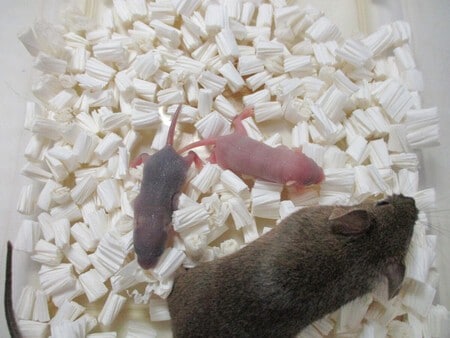
Researchers in Japan have encountered a crucial limitation in their ongoing mouse-cloning research, hitting a wall at the 58th generation clone. This groundbreaking study aimed to explore the limits and potential for genetic repeatability, focusing on the biological possibilities and constraints of cloning. The research would provide key insights regarding the genetic stability and mutation rates in cloning. The discovery of this limitation represents a new challenge, demanding further investigation to understand the underlying factors causing this genetic roadblock.
This news generates scientific interest in Japan and feeds into the ongoing discourse surrounding the ethical implications of cloning. It impacts the bioengineering and pharmaceutical sectors, which invest heavily in mouse models for testing. Japanese society's commitment to advanced scientific research is evident in how they handle such news, viewing it as an opportunity for further exploration and improvement.
Similar issues in the EU or US also provoke substantial scientific intrigue and ethical discussions. Regulatory authorities in these regions exert tight control over such research, and controversies surrounding animal rights are more pronounced. The limitations discovered in Japan could slow down related research globally, affecting the timetable for applications such as developing new medication.