
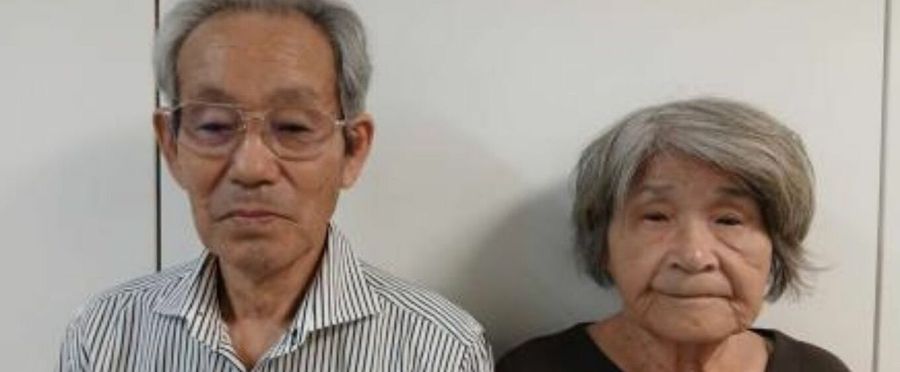
An elderly man and woman suffering from memory loss, commonly referred to as 'amnesia,' have been successfully identified in Japan. Through an intense effort by local authorities and community members, the identity of this duo, initially found disoriented and unable to recall their own identities, has been confirmed. This breakthrough alleviates the uncertainty surrounding their care and offers a glimmer of hope for many in similar situations.
In Japan, an aging population is a major social issue, making incidents like this increasingly common. The health, welfare, and dignity of the elderly are accented, and their identification facilitates access to insurance, pensions, and necessary care. Society places a lot of importance on familial bonds and responsibility, so finding their identities is a crucial part of reuniting them with their families.
In contrast, in the US or EU, there's an emphasis on independent living for as long as possible, relying more heavily on care facilities and social services. Elderly amnesia patients are often cared for in long-term care facilities or by home healthcare services. The process of identifying such individuals is crucial but leans more towards providing medical care and less about reconnecting with family ties.