
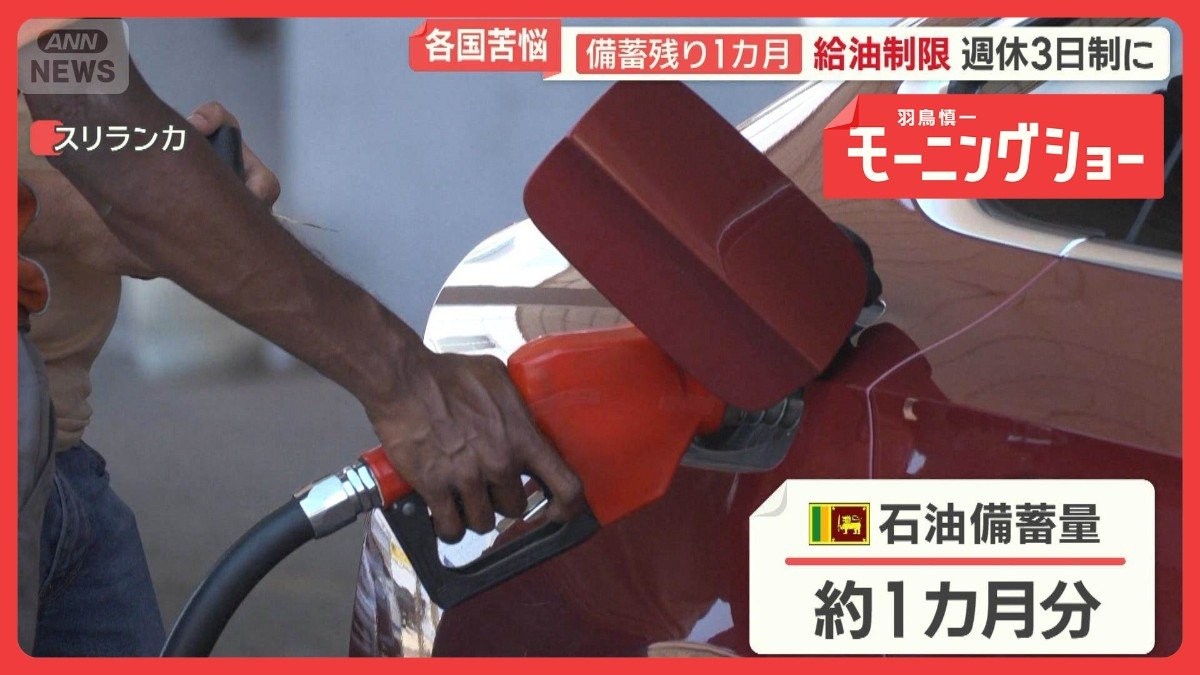
In response to the acute fuel shortages, Sri Lanka has instituted a temporary three-day work week. The measure is aimed at conserving what little fuel remains within the country, which has been grappling with the far-reaching economic repercussions of the global pandemic and soaring commodity prices. The government hopes that this drastic measure can alleviate the pressure until more sustainable solutions are identified.
Japan, being highly dependent on imported energy, closely watches how energy crises are managed around the world. The particular attention to the Sri Lankan situation reflects the country's need to make better its own energy crisis management. Fuel shortages could drastically impact the Japanese economy which centers on industries requiring a substantial energy supply like automotive manufacturing, electronic goods production, etc.
In the US or EU, fuel shortages are typically managed with a combination of strategic petroleum reserves, regional reallocation, and import adjustments where possible. Implementing a three-day work week is an extreme measure which may not be feasible or necessary in those countries due to more significant fuel reserves and diversified energy sources.