
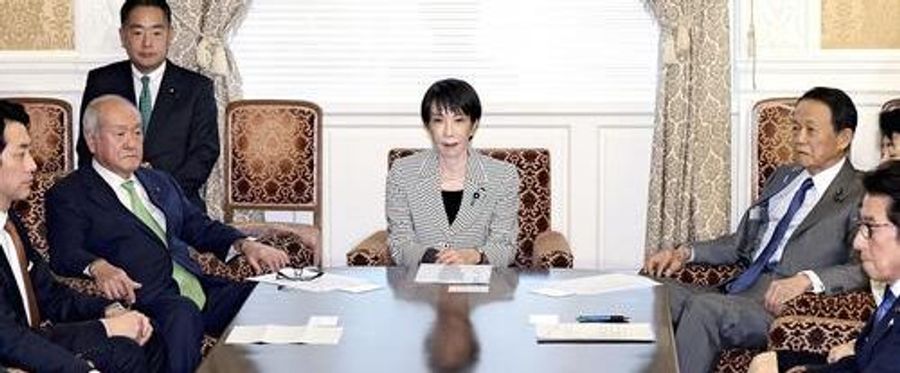
The Japanese government is pushing through its interim budget for the period of April 1 to April 11, typical of fiscal year transitions. Government officials are urgently discussing the proposal, which must be approved by the end of March to avoid a funding gap. This stopgap measure will allow public services to continue while a full-year budget is still under review.
In Japan, fiscal prudence, stability, and economic growth are often the primary concerns for both the government and the public when it comes to the national budget. Setting an interim budget is a common practice to prevent disruptions in administrative services while the main budget is proceeding through the lengthy legislative scrutiny.
The U.S. follows a similar practice known as 'continuing resolutions,' which temporarily fund the government whilst negotiations for the full budget are ongoing. In the European Union too, member states resort to provisional budgets to sustain the government operations during the process of budget approval.