
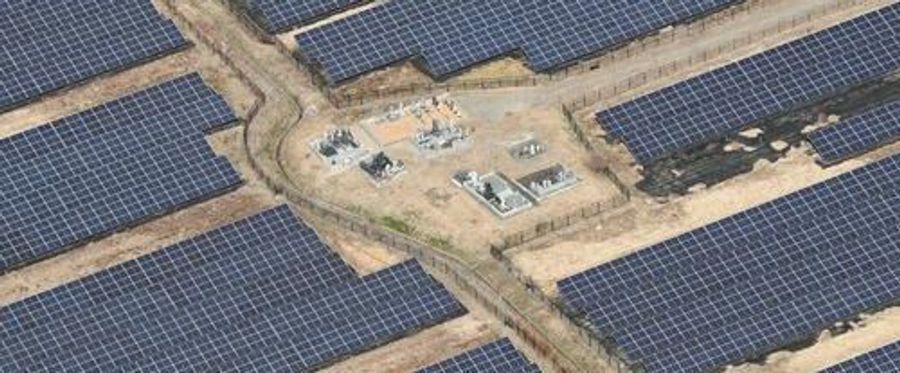
After the Fukushima Daiichi nuclear disaster in 2011, farmlands surrounding the site have been enriched with an unexpected source of life: Solar panels. These panels are rapidly proliferating, harnessing sun’s power in an attempt to bring renewable energy to the forefront of the nation's electric grid. This shift from flipped farmlands to massive solar farms is a significant step towards Japan's goal of carbon neutrality by 2050.
The 2011 Fukushima catastrophe has led Japan to reconsider its dependence on nuclear power. The local populace is supportive of this transition towards cleaner, safer alternatives. Transforming agricultural land into solar farms adds another dimension to this pursuit of sustainable energy, as it allows the area around Fukushima, which is otherwise unsuitable for farming, to be utilised profitably and responsibly.
In the US and EU, efforts to promote renewable energy sources are also noticeable. They too aim for goals like carbon neutrality, with diverse methods of achievement. The US is focusing both on solar farms and wind energy, while the EU has committed to slash greenhouse gas emissions by at least 55% by 2030.