
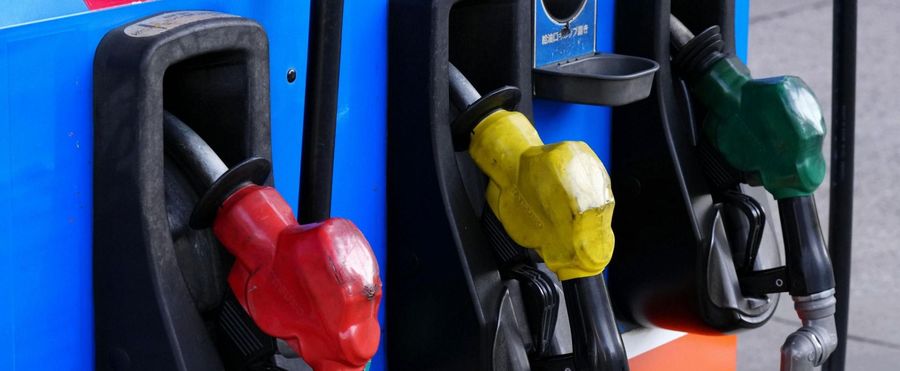
The Japanese government has announced plans to utilize 800 billion yen (roughly $7.24 billion USD) of the country's reserve funds to provide subsidies for gasoline. This economic move is aimed at mitigating the impact of rising global oil prices and maintaining the stability of Japan's domestic transportation and logistics sectors. The timeline for this implementation and specific subsidy measures have yet to be detailed.
The rising cost of gasoline is of significant concern in Japan, a country heavily reliant on imported oil. By tapping into reserve funds, the government aims to cushion the blow of these costs and prevent it from destabilizing Japan's transport sector and economy overall. This move is not only about financial stability but also involves the social value of protecting citizens and businesses from sudden price surges.
Similar to Japan, countries like the USA and EU nations have various subsidies and price-controlling measures to shield their economies from oil price shocks. However, the scale at which Japan is taking action, by employing this huge chunk of reserve funds, showcases a significant national commitment. The USA and EU typically depend more on market mechanisms and have more diversified energy portfolios, lessening their oil dependency.