
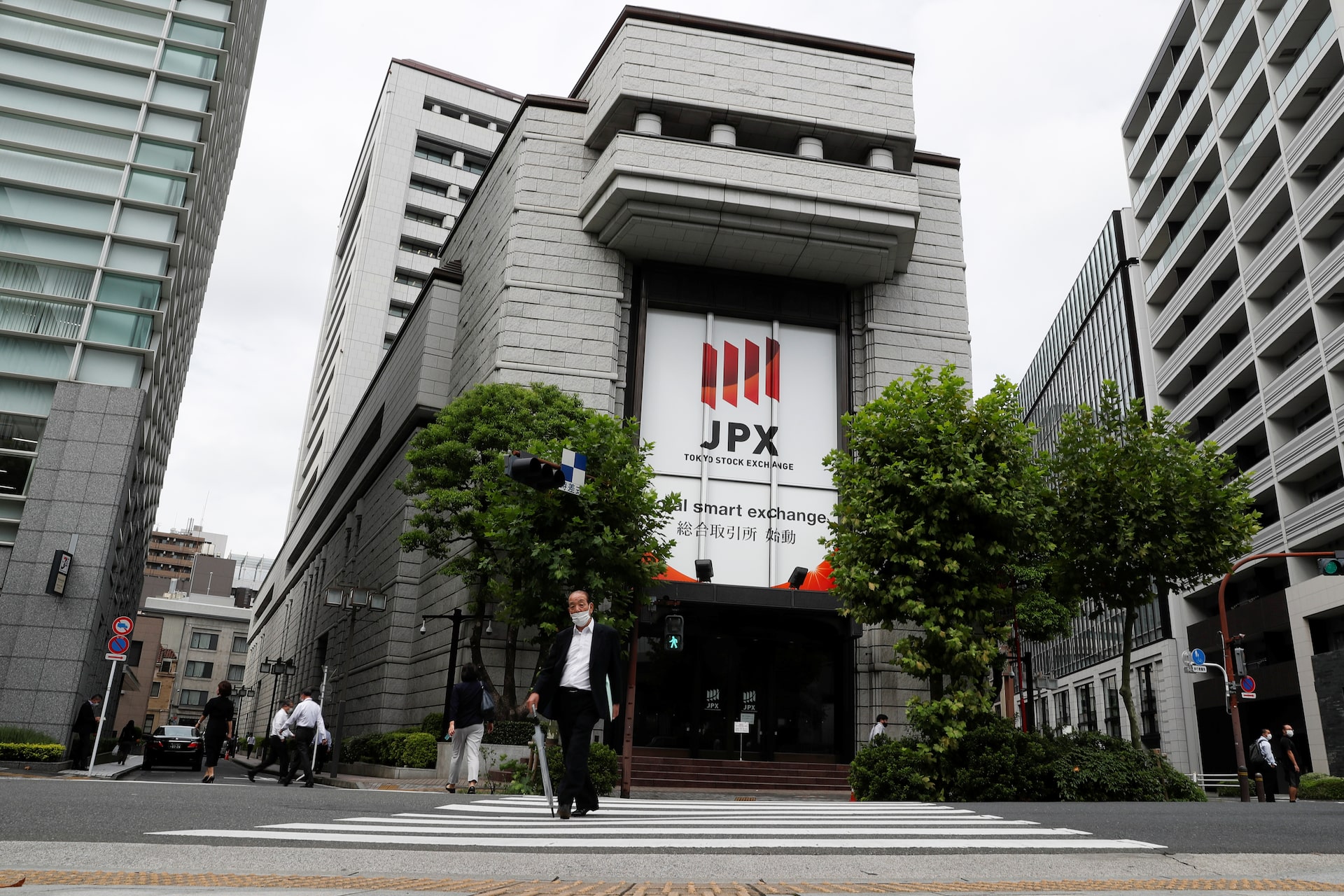
The Nikkei Stock Average, leading stock index in Tokyo, witnessed a substantial drop, temporarily going down by more than 2400 yen. This steep fall reflects the cautious and ambivalent atmosphere among investors amid rising global uncertainties. The exact cause of the drop is still unraveling, with factors like global geopolitical tensions and domestic economic policies potentially influencing the market.
Stock market performance has a substantial impact on the Japanese economy, hence fluctuations in Nikkei Average are closely watched by both corporate Japan and ordinary citizens with savings and investments. There's a considerable emphasis on stability and long-term security in Japanese financial culture, so volatile swings in stock prices may cause quite an unease, affecting everything from consumer sentiment to business investment decisions.
Like in Japan, fluctuations in the stock market are closely monitored by investors, policymakers, and the general public in the US and EU. However, the level of risk tolerance and investment culture can vary. For instance, the US market often portrays a faster-paced, higher-risk investment sphere. Similarly, the EU market demonstrates diverse responses, influenced by divergent national economies and policies.