
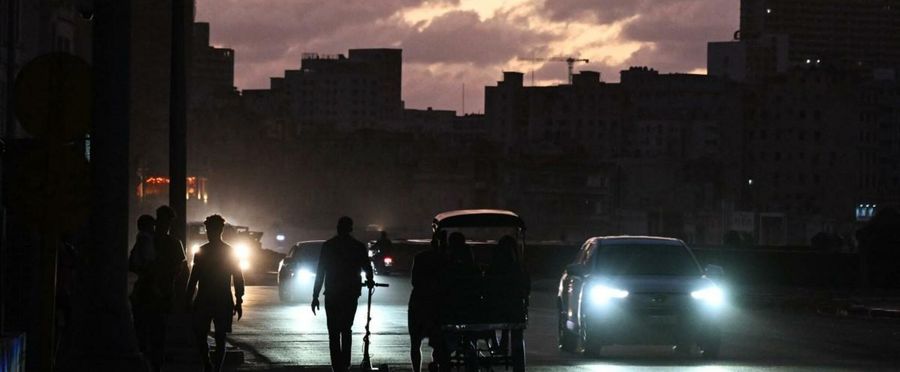
A widespread power outage recently gripped the nation of Cuba, marking the return of a persistent issue that has been pushing the country's energy infrastructure to its limits. The blackout underscores the vulnerability of Cuba's power grid, which has been plagued by ongoing crises. The authorities are scrambling to address the situation, while citizens are once again left grappling with the inconvenience and uncertainty that these blackouts bring.
In Japan, power stability is a highly valued commodity and news of recurring blackouts in a country like Cuba would likely spark a considerable level of concern. Given Japan's past experiences with major power disruptions after disasters like the Fukushima nuclear incident, the Japanese public has a deep awareness of the importance of resilient power infrastructure.
Compared to similar situations in the U.S. or EU, response mechanisms may differ considerably. If a similar situation occurred in the U.S. or EU, the urgency and demand for investigation would be high, owing to the regions' technologically advanced and dependent societies. Blackouts could potentially disrupt lives and the economy on a large scale.