
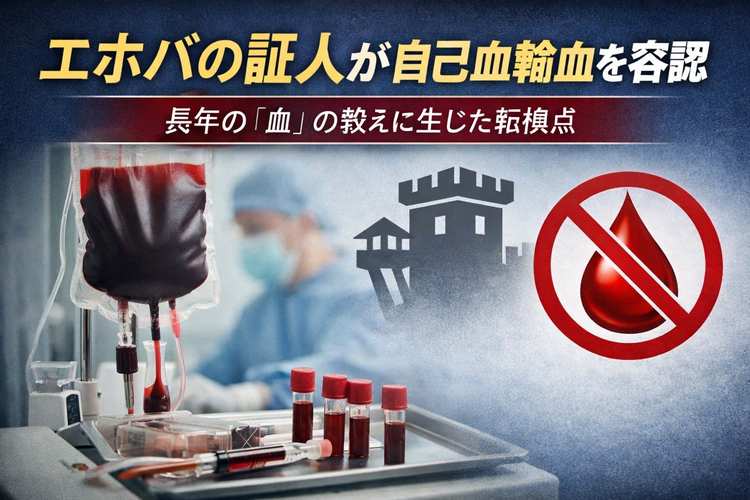
The Japanese congregation of Jehovah's Witnesses has recently eased its long-held restriction on blood transfusions. This has sparked a nationwide debate on the intersection of religion and medical ethics. There's no specific timeline mentioned regarding when this change was implemented. This is a monumental shift for the community due to the sect's traditionally held beliefs and could result in significant medical and ethical implications.
In Japan, a high value is placed on preserving societal norms and upholding freedom of religion without disturbing public order. The decision by Jehovah's Witnesses is noteworthy because it undermines a longstanding religious tenet and also informs the broader discussion on medical decision-making within the context of religious beliefs. It evokes debates on religious rights versus individual health and safety.
In the US and EU, cases of refusing medical treatment due to religious beliefs have often ended up in courts. In general, personal autonomy is respected, but the necessity to save lives sometimes prevails over the right to exercise religious freedoms. The issue is no less complex due to differing laws and societal expectations.