
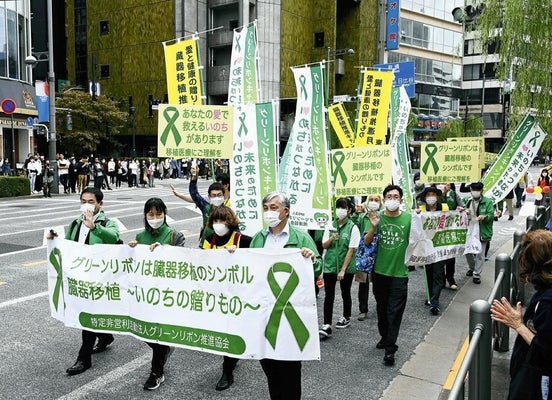
This news centers around a young girl, aged below six, who was declared brain-dead in Japan and has sparked a nationwide conversation as her organs are set to be donated. This would be one of the first reported incidents of such a young individual participating in the organ donation process post-brain death in Japan, stirring both grief and admiration across the country. This pivotal event has brought focus onto the topic of organ donations in Japan, particularly concerning minors and the ethical implications involved.
Organ donation in Japan is a pressing issue - the rates of organ donation are significantly lower than in other developed countries. This is due to cultural beliefs, the complex process of organ procurement, and strict legal requirements, including the necessity of family consent. This event has rekindled awareness and discourse on the need for better organ donation infrastructure and regulations in Japan, especially regarding young donors.
In comparison with Western nations such as the US or EU countries, organ transplantation involving minors, while tightly regulated, is more common. Families' decisions to donate often garner community support and understanding, and awareness campaigns are run to encourage more people to become donors. The preliminary legal frameworks in these countries are more defined and developed compared to Japan, creating an environment that supports organ donation with fewer cultural and systemic barriers.