
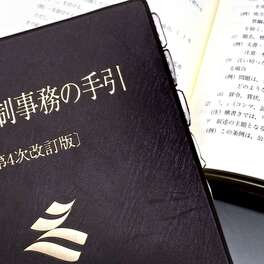
In an attempt to streamline public documentation, local governments across Japan are moving away from the traditional vertical writing style to a more globally recognized horizontal format. This shift is part of a broader national movement to make official documents more comprehensible to non-native Japanese speakers and younger generations who primarily use horizontal writing. While the change is progressing gradually, detractors fear that the move could undermine Japan's linguistic and cultural legacy.
In Japan, vertical writing, or 'tategaki,' is considered the customary style for written texts, from novels to newspapers to official documents. However, with the rise of digital communication and western influences, horizontal writing, or 'yokogaki,' is becoming more prevalent. The shift of public documents to horizontal writing reflects broader societal changes, including a more international outlook and digital adoption. But this shift also raises concerns about preserving traditional cultural elements and barriers for older populations used to vertical scripts.
Unlike Japan's dual writing systems, the US and EU typically use left-to-right horizontal writing exclusively. In these regions, any efforts to modify the standard script layout would be an anomaly rather than a trend. Thus, Japan's ongoing transition represents a unique case of adjusting linguistic practices for broader comprehension and ease.