
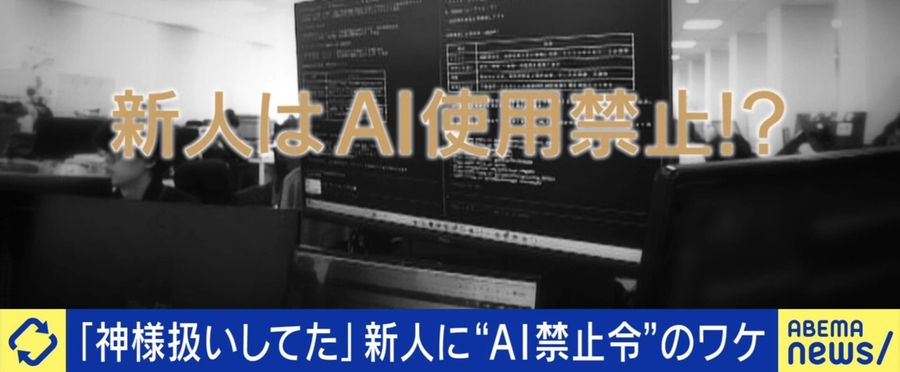
Recent trends in Japanese companies are seeing a ban on the use of Artificial Intelligence (AI) for new employees. This unexpected policy, being practised by various firms across Japan, raises questions about the integration and acceptance of AI systems in diverse sectors. Drawing curiosity and confusion, an in-depth look is required to understand why such an approach is undertaken, what its implications are, and if it negatively or positively impacts the typical practices of these businesses and the experiences of their employees.
In Japan, the issue is seen from the perspective of employment quality, work ethics, and the traditional hierarchical workplace culture. There are concerns about new employees relying too heavily on AI and not enough on human interactions or intuition, potentially resulting in a lack of essential interpersonal skills. This also touches upon the deeper societal concerns of AI slowly replacing human roles in the Japanese work sector.
In the US or EU, AI integration in the workplace is seen more as a tool to enhance productivity and free up human capital for more complex tasks. There's less concern about new employees using AI, rather, training programs often include AI training. However, debates about AI's impact on employment continue in these regions too.