
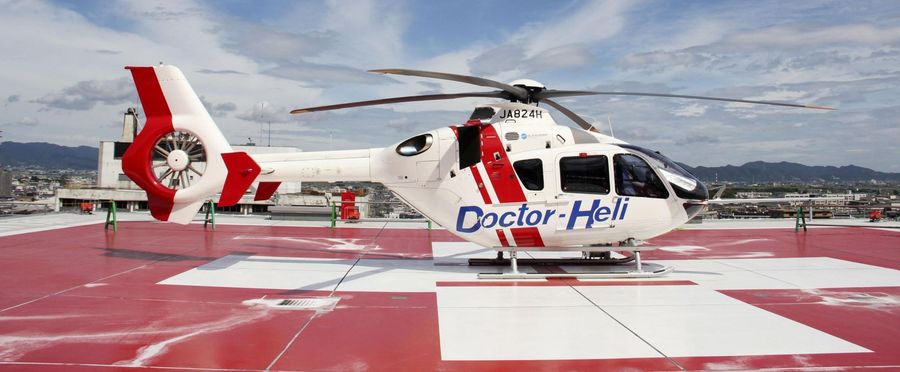
Due to significant staffing difficulties, the Kansai region in Japan is set to see a reduction in its doctor helicopter, or "dokuta heri", services from four to two. These highly efficient air ambulances, vital in rural and hard-to-reach areas, face a substantial hurdle as securing trained personnel becomes increasingly complex. The change comes amidst growing national concern over the availability of critical emergency care services in the region.
Japan boasts an efficient healthcare system, and the doctor helicopter services play a vital role, especially in rural and isolated areas where hospitals are often far-flung. The need for trained personnel in these air ambulances is critical, as they often act as the primary point of contact for medical emergencies. However, the nation’s declining population and growing elderly demographic are straining healthcare resources, leading to such staffing troubles.
In the United States and European Union, air ambulance services are also crucial, especially in rural or isolated places. The US runs on a predominantly private model, and costs can be prohibitive, leading to understaffed services in some areas. In contrast, EU member states generally provide this service as part of the public healthcare system. Both regions experience their respective staffing issues—locale attractiveness, training costs—but are less impacted due to higher population numbers, among other factors.