
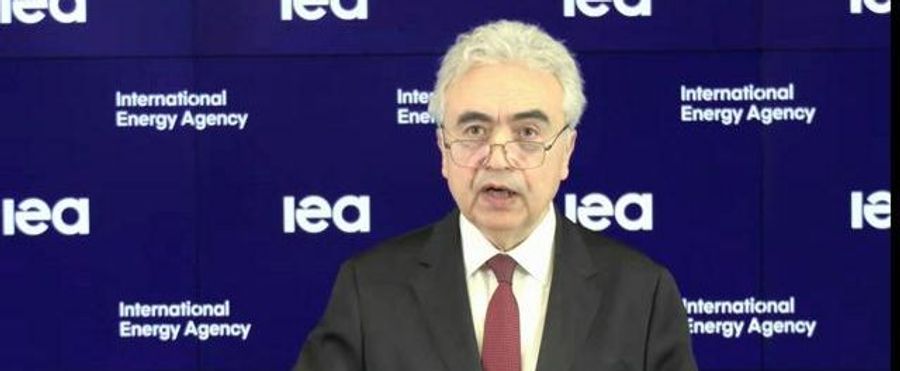
The International Energy Agency (IEA) has proposed remote working as an innovative solution to the ongoing fuel crisis. The recommendation stems from the agency's concern regarding the electric consumption that offices demand across Japan. If implemented, this work-structure shift could significantly alleviate the increasing pressure on energy resources, while playing a contributing role in building a more sustainable economy.
Encouraging remote work aligns with the Japanese government's broader drive to shift the country towards a more sustainable economy and society. Moreover, this could potentially change the traditional Japanese work culture, which is famous for long working hours in-office, to a more flexible and home-based system. It highlights the Japanese societal value of adaptability in times of crisis, as well as focus on global environmental concerns.
The idea of remote working as a response to environmental issues is also seen in parts of the US and the EU. Various organizations are exploring the benefits remote work can bring, not just in terms of sustainability, but also improving worker's quality of life. However, this shift has been more profoundly felt in the post-COVID era due to necessity, rather than as an explicit response to environmental crises.