
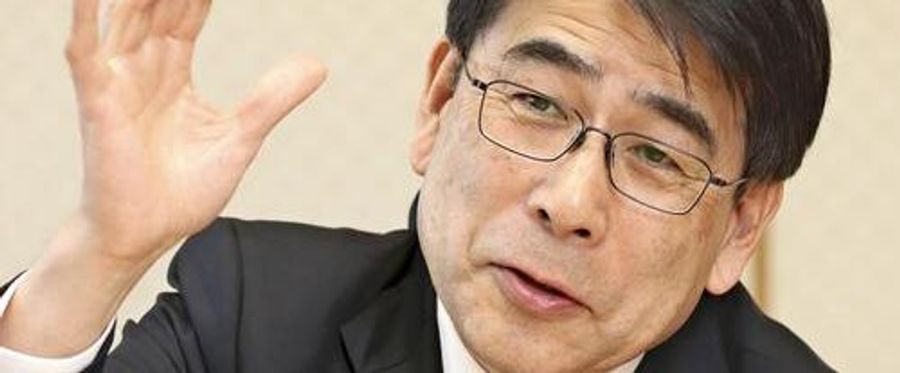
The chairman of NHK, Japan's primary public broadcasting organization, has addressed questions over the justice of its license fee system. The recent debate over the mandatory license fee, which funds the publicly-owned entity, had led to a significant public response. With many questioning its fairness, the Chairman provided a comprehensive answer on how the fees are utilized and the importance of public broadcasting in the current media landscape.
In Japan, every household with a TV is obligated to pay a license fee to NHK, regardless of whether they watch NHK's channels or not. It is a subject that has recently captured attention in Japan and there's diverse public opinion over the matter. The primary concerns raised are about fairness and whether the system aligns with the principle of benefiting those who pay.
The issue is similar to grapples in the UK over the BBC's license fee, and to lesser extent, Public Broadcasting Service (PBS) in the United States. While the same concept exists in these countries, enforcement differs. In the UK, the license fee is consistently enforced, while in the USA, public broadcasting is primarily funded through donations and government funding.