
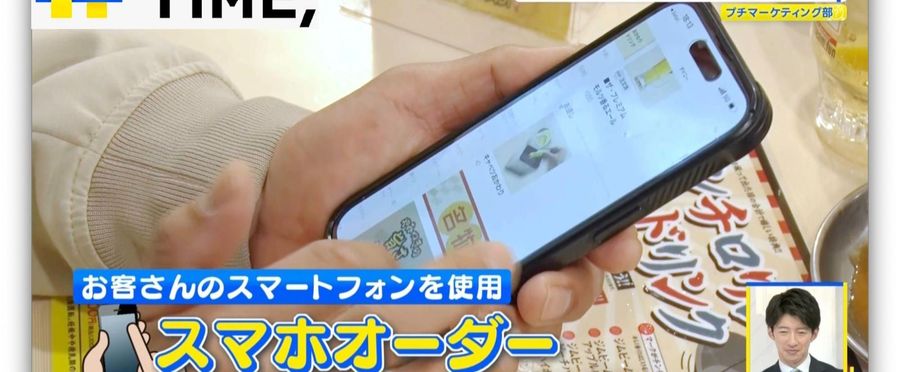
The incorporation of smartphone ordering systems in physical stores is rapidly gaining momentum in Japan. While some laud the efficiency and convenience it offers, others lament certain drawbacks such as excessive dependence on smartphones and loss of human interaction. Services like self-checkout and mobile payments are particularly popular among tech-savvy consumers. Despite skeptics, retailers continue to install in-store smartphone order systems responding to a surge in demand amid the pandemic.
In Japan, technology adoption is quite rapid and pervasive across all generations. The aging population finds in-store smartphone orders helpful as they help reduce long queues. However, some argue this erodes traditional retail attitudes of personal engagement and hospitality. The increased dependency on technology raises concerns about data privacy and digital divide.
In the US and EU, similar technology has seen widespread acceptance. However, the dialogue about loss of human interaction and privacy concerns is also part of the discussion. Unlike Japan, the US and EU show a wider generation gap in tech adoption, predominantly with older demographics showing resistance.