
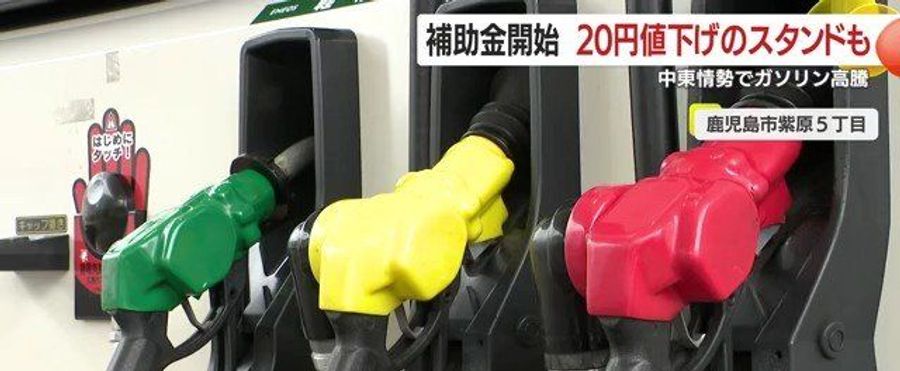
Gas stations in Japan have dramatically lowered their prices, with cost per liter reducing as much as 20 yen overnight. Many businesses aim to attract more customers with these reductions. The dramatic drop was in response to international fuel market shifts and is seen as a strategic move to maintain competitive ground amid fluctuating oil prices.
In Japan, a country highly dependent on imported fuels, any shift in fuel prices is a significant economic event. Consumers are very fuel price-conscious, and any change can directly impact their consumption behaviors, influencing other sectors such as transportation and retail. Given the high population density and dependence on transportation, the price drop is directly felt by large numbers of people.
In the US or EU, changes in fuel prices can also have a significant impact. However, they are usually driven by different factors such as tax policies or international politics, compared to Japan, which is more directly influenced by international market prices. Moreover, unlike Japan, where public transport is ubiquitous and highly efficient, a significant number of US and EU citizens are dependent on personal vehicles, so their response to fuel price reductions might be more pronounced.