
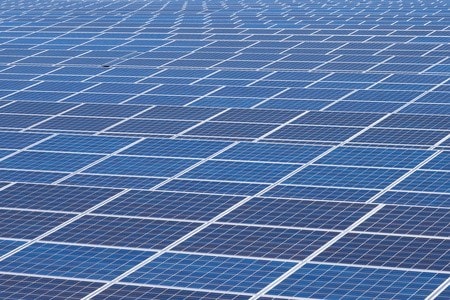
The Japanese government is signalling an end to its support for large-scale solar power projects. The move comes amid a shift in energy policy as new technologies and infrastructures emerge, changing the dynamics of the renewable energy market in the country. Details about the timeframe and the transition plan are yet to be made public.
Solar energy has long been a major part of Japan's renewable energy mix, with large solar farms known as “mega-solar” projects enjoying significant government incentives. The move to end this support is a turning point in Japanese energy policy, reflecting the challenge of balancing the country's need for renewable energy with the difficulties of integrating such large amounts of solar power into the power grid.
In the EU and the US, government support for renewable energy projects varies greatly, with a range of tax credits, grants, or feed-in tariffs available. Unlike Japan, these regions have not yet indicated a significant move away from supporting large-scale solar projects.