
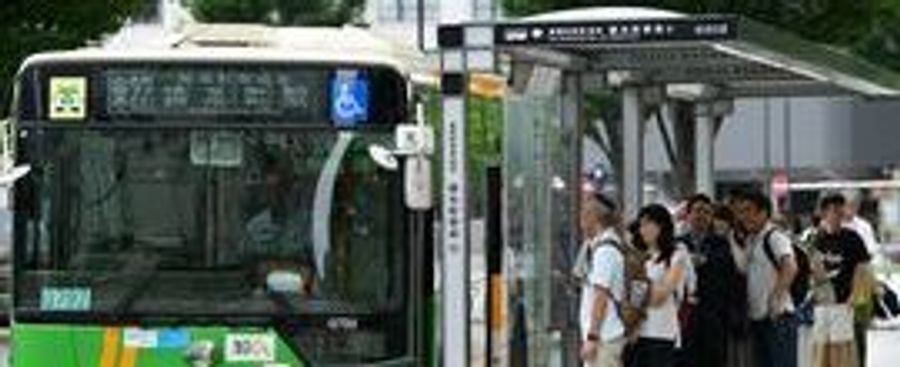
A series of unsuccessful diesel fuel bids have been troubling Japan's public bus industry. Recently, there's been a rise in cases where diesel fuel tenders for public buses have ended up inconclusive, setting back bus operations across the country. The cause and implications of these unsuccessful auctions remain unclear; currently, government officials and industry stakeholders are seeking to address these issues to safeguard the continuity of public bus services, which are vital for daily commuting, particularly in rural areas.
Public buses are essential to Japan's transportation infrastructure, particularly in rural areas where other forms of public transport may be sparse. Uncompleted diesel supplies potentially risk the efficiency and reliability of these services, impacting everyday life and livelihoods. The issue has gotten significant attention, as anything affecting public transport's reliability aligns with broader societal values of punctuality and order in Japan.
In the US or EU, similar issues could cause substantial disruption. However, given the broader array of transportation options available in most locations, including substantial private vehicle use, the impact may not be as pronounced. Unlike Japan, the US and EU transportation systems are less reliant on bus services, particularly in rural areas.