
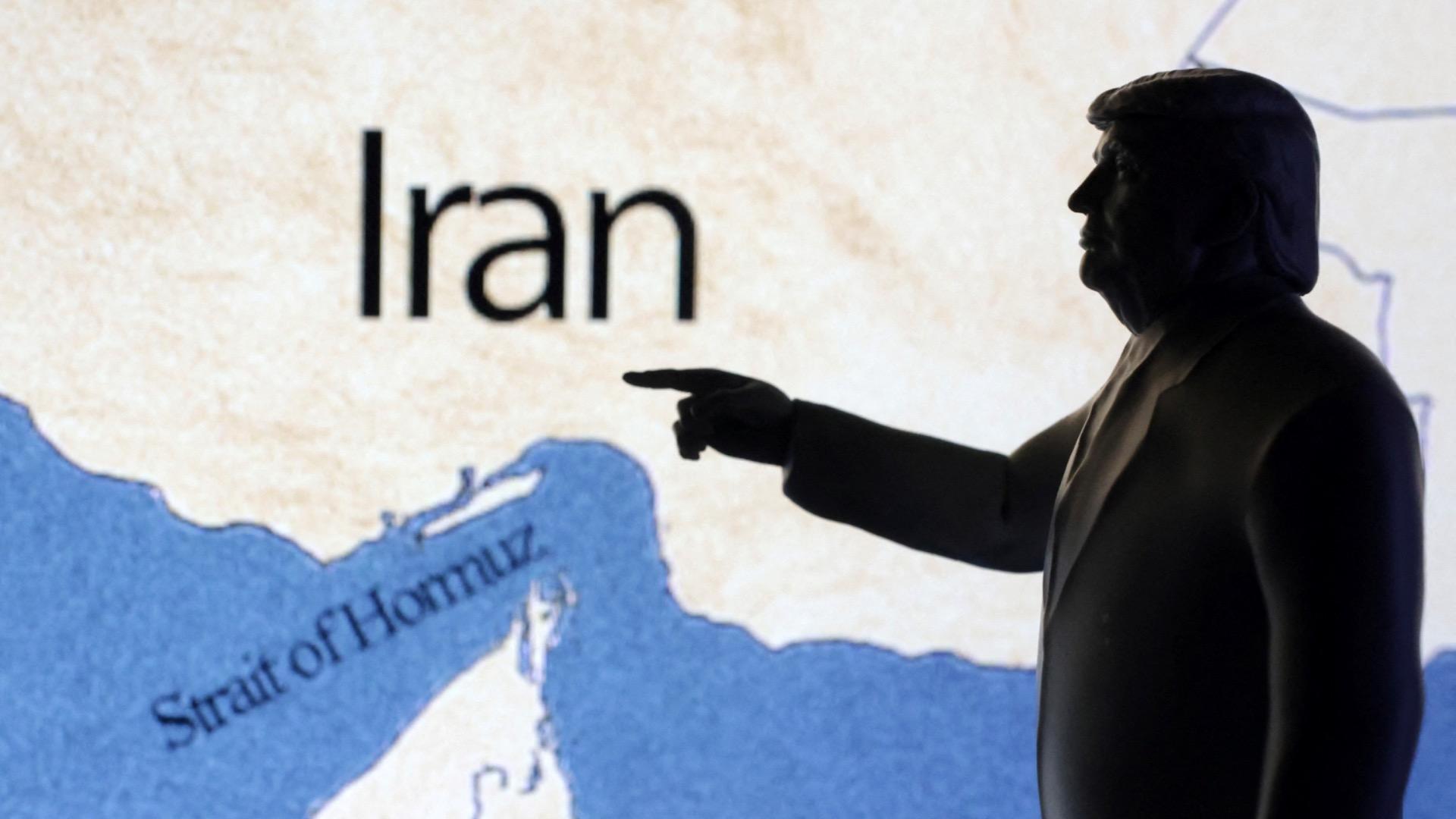
In a move that has raised eyebrows, Japan's decision to deploy a naval force to the contentious Strait of Hormuz, crucial for maritime oil transport, has been rejected by their allied nations. This naval mission, aimed at diversifying Japan's approach to securing their significant oil imports, seems to undermine the collective strategic approach usually adhered to by the international community when dealing with threats to global trade in the contentious region.
Japan's energy needs heavily rely on oil imports from the Middle East. Hence, safety in the Strait of Hormuz is critical for Japan's energy security. However, the refusal of its allies to jointly undertake the mission reflects on the country's foreign policy and creates a feeling of isolation.
In the US or EU, international cooperation for ensuring maritime security, especially in such sensitive geopolitical areas, is valued. They focus more on forging alliances and strategic partnerships to handle any threats to free and peaceful navigation.