
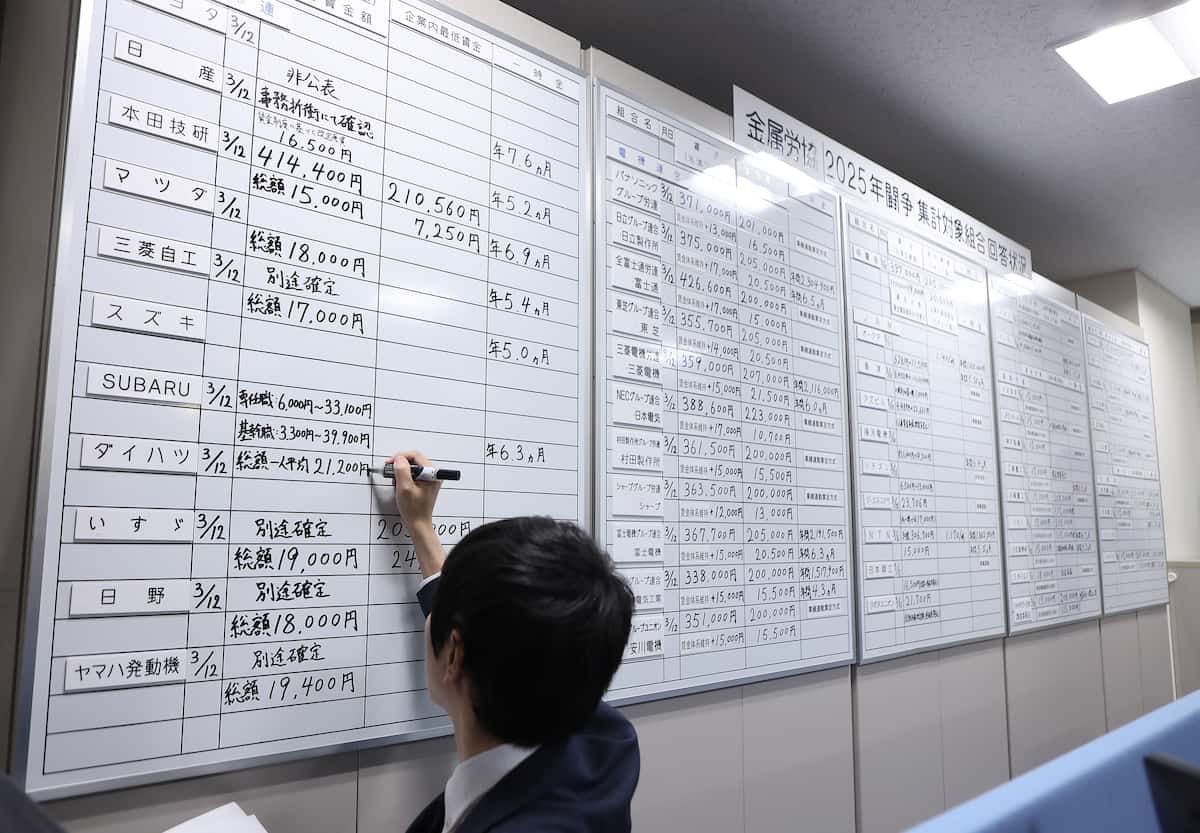
Amid the seasonal labor disputes, commonly referred to as "Shunto" in Japan, small to medium enterprises (SMEs) are expressing their exhaustion over demands for wage hikes. These disputes typically occur in spring where trade unions across the country engage in collective bargaining with employers for better wages and working conditions. However, as Japan continues to grapple with economic challenges, many SMEs are finding it more difficult to meet these demands, thereby raising concerns about the sustainability of such businesses.
In Japan, the "Shunto" or Spring Wage Offensive is a significant event in the corporate calendar. Society generally supports these negotiations, expecting them to result in improved working conditions and income growth, particularly for workers in the larger companies. SMEs, however, often find themselves in a tough spot, as their profit margins and economic resilience are typically lower than larger corporations. This creates a tension between societal expectations and economic realities.
Unlike in Japan, wage negotiations in the US and EU are usually not synchronized on a seasonal basis. Wage increment negotiations or collective bargaining in these regions occur at various times throughout the year and are typically industry or company-specific. Economic realities, however, such as the strain on SMEs are common across all regions.