
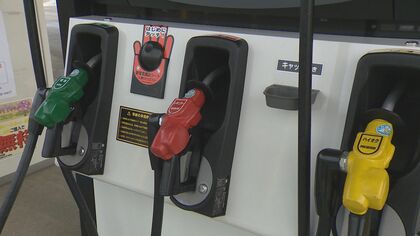
Japan has witnessed a historical spike in gasoline prices, with costs climbing to 190 yen per litre. This record high is causing significant concern amongst the residents, implicating increased costs of living and potentially slowing economic development. The precise trigger behind this surge in prices remains uncertain, though international factors such as oil price fluctuations, and domestic issues like inflation, are proposed contributing factors.
As a densely populated island nation, Japan heavily relies on imported energy resources. Hence, fluctuations in global oil prices have a direct impact on its energy cost, and consequently, the daily lives of the Japanese people. High gasoline prices might restrict the mobility of the population, disproportionately affecting those in rural areas where public transportation is not as efficient. This surge in prices is also triggering a conversation on Japan's energy dependency and the need for sustainable alternatives.
Like Japan, social and economic life in both the US and EU is significantly affected by gas prices. However, given the US's local production of oil and the EU's diverse energy portfolio, their dependency on international oil market is somewhat cushioned. High gas prices have sparked discussions about energy policies and green alternatives in these regions as well.